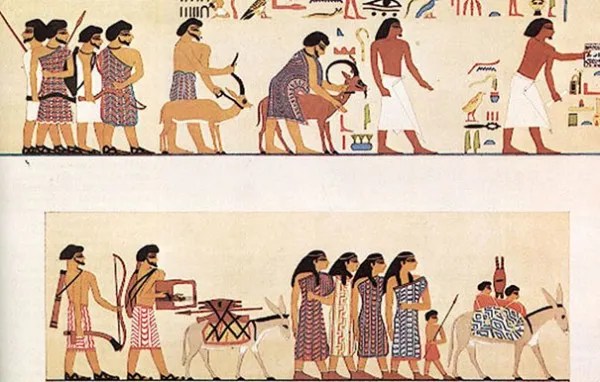
Egyptian tomb painting of nomads from about 1900BC. Tomb of Khnumhotep at Beni Hassan 12th Dynasty.
One of the world’s earliest known stories is a romance. A three and a half thousand-year-old fantasy of forbidden love between a high-born woman and a lowly outcast, the Sumerian tale of Adjuar and Martu pre-figures narratives like Romeo and Juliet and West Side Story, among many others.
Adjuar and Martu
Martu is a young nomad, from a people known as the Martu, who are considered barbaric and untouchable, let alone marriageable. But Martu needs a wife to keep his mother happy but is unable to find one among his own people.
On a feast day he goes into the city of Inab where he meets the beautiful Adjar-kidug, daughter of the city god (or ruler). They fall in love and Martu distinguishes himself in the feast games and sports by winning all the wrestling bouts. Asked what he wants for a prize, he rejects gold and jewels in preference for the hand of Adjar-kidug.
Her father sets him some tasks which, if completed, will guarantee his daughter’s hand. Martu does what he is asked and goes far beyond, gifting gold, fine cloths, silver jugs to everyone in the city, from the elders down to the slaves. Still, he received no permission to proceed even though Adjar-kidug is still deeply in love with him, as proven by her reply to a friend who warns her against marrying a barbarian:
Listen, the Martus, their hands are destructive and their features are those of monkeys; he is one who eats what Nanna forbids and does not show reverence. They never stop roaming about ……, they are an abomination to the gods’ dwellings. Their ideas are confused; they cause only disturbance. He is clothed in sack-leather ……, lives in a tent, exposed to wind and rain, and cannot properly recite prayers. He lives in the mountains and ignores the places of gods, digs up truffles in the foothills, does not know how to bend the knee, and eats raw flesh. He has no house during his life, and when he dies he will not be carried to a burial-place. My girlfriend, why would you marry Martu?”
But Adjar has been impressed by Martu’s efforts to be like her people and the efforts he has made to prove himself, rejecting wealth in preference for her love. She replies ‘with the certainty of a woman who knows her heart, her mind and her soul: “I will marry Martu!’
The story ends with the statement that ‘Adjar had seen the raw diamond in the nomad made civilised by her love’.[i]
We are not told whether the two lovers do marry or not, but their ancient story is as relevant today as it was over three millennia ago.
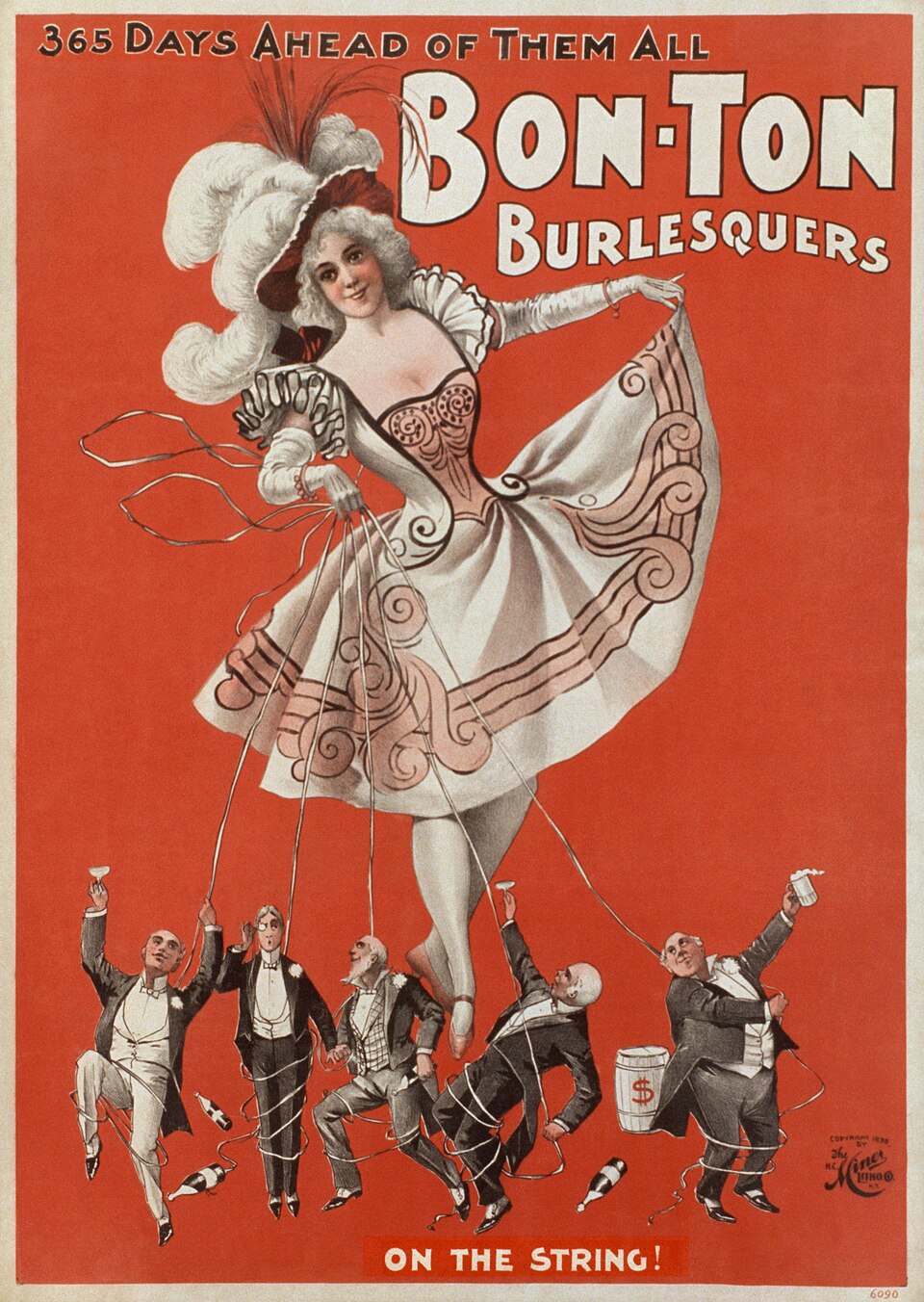
H.C. Miner Litho. Co. – Library of Congress[1]Bon Ton Burlesquers – 365 days ahead of them all.” Poster of U.S. burlesque show, 1898, showing a woman in outfit with low neckline and short skirts holding a number of upper-class men “On the string”. Color lithograph.
Burlesque comes from the Italian burla, for a joke or to mock – was characterised by the appearance of young women in relatively little clothing and what there was of that was designed to show their bodily form to best advantage. As well as this primary attraction for its mostly male audiences, Burlesque also had a strong element of social satire from its origins as lower class spoofs of high society diversions such as opera and ballet.
While Burlesque is usually associated with America it received its greatest boost in the 1860s when the famed showman P T Barnum imported a British Burlesque troupe led by Lydia Thompson. Lydia and her blonde ladies rapidly became superstars, although there was soon a strong moral backlash against this form of entertainment. As usual, this only increased the popularity of Burlesque and by the early twentieth century it operated through an extensive circuit of theatres, known as a wheel, with large troupes travelling the same show for up to forty weeks of the year. By then, the typical Burlesque show included many of the same style of acts found in Vaudeville, although the scantily clad ladies remained the primary attraction.
In burly-q speech the main player in a comic act was known as the top banana, a phrase that has entered the broader slang repertoire. Those supporting him or, less frequently her, were second banana, third banana and so on. These terms are said to derive from the comic’s last resort of slipping on an imaginary banana skin in order to get a laugh. In this form of slapstick (a term derived from pantomime rather than burlesque, though this very basic form of humour was common to both forms), the lower a performer ranked in the bunch the more likely he or she was to receive the pies in the face and the host of other undignified bits, or skits, that made up most comedy acts. Other terms related to the business of being funny were skull – to pull a funny face and the talking woman – one who delivers lines for the comic to joke about, equivalent to the straight man of a stage comedy act.
An oft-performed bit from the later Burlesque poked fun at business names. It doesn’t take much to see and hear a couple of the Marx Brothers banging this one out:
Man at Desk: (picks up phone) Hello, Cohen, Cohen, Cohen and Cohen. Caller: Let me speak to Mr. Cohen. Man at Desk: He’s dead these six years. We keep his name on the door out of respect. Caller: Then let me speak to Mr. Cohen. Man: He’s on vacation. Caller: (Exasperated) Well then, let me speak to Mr. Cohen. Man: He’s out to lunch. Caller: (Yells) Then let me speak to Mr. Cohen! Man: Speaking.
The occupational jargon of burly-q included colourful phrases like the asbestos is down – a reference to the fireproof stage curtain being down, making the audience unable to hear the jokes – which purportedly explained why they were not laughing. A mountaineer was a comic from the Catskill Mountains resort circuit and theBoston version referred to a sanitised rendition of an act with the blue elements removed or toned down. The term cover, meaning to take over another performer’s role, as in ‘Will you cover for Mac?’, has passed into the wider vernacular of the English-speaking world, its Burlesque origins known by few.
Despite the similarities between Burlesque and Vaudeville, there was a barrier between the forms, with Vaudevillians considering themselves superior to Burlesque. But the continual operating mode of the Burlesque circuit meant that it provided fairly reliable work and many Vaudeville acts also worked the Burlesque circuits under different names. As a result, there is a considerable overlap between Vaudeville and Burlesque lingoes. The olio was used in both forms to describe a mixture of short acts performed rapidly at the front of the stage with the main curtain, often an oilcloth, a technique probably borrowed from the earlier blackface minstrel shows. Other common terms included yock and milking an audience, the latter of which became a standard showbiz term and has moved beyond that into everyday slang.
Like Vaudeville, burly-q declined with the rise of the cinema. By the 1920s it had become largely a bump and grind strip show, with the comic acts little more than a hangover of the past. The striptease developed its own language as well. Strippers used pasties to cover their nipples. A G-string was a gadget, while a trailer was the provocative walk leading up to the strip itself. The breasts of a stripper were blisters to be quivered and her buttocks were cheeks to be shimmied for the titillation of the audiences, known in the business as jerks.
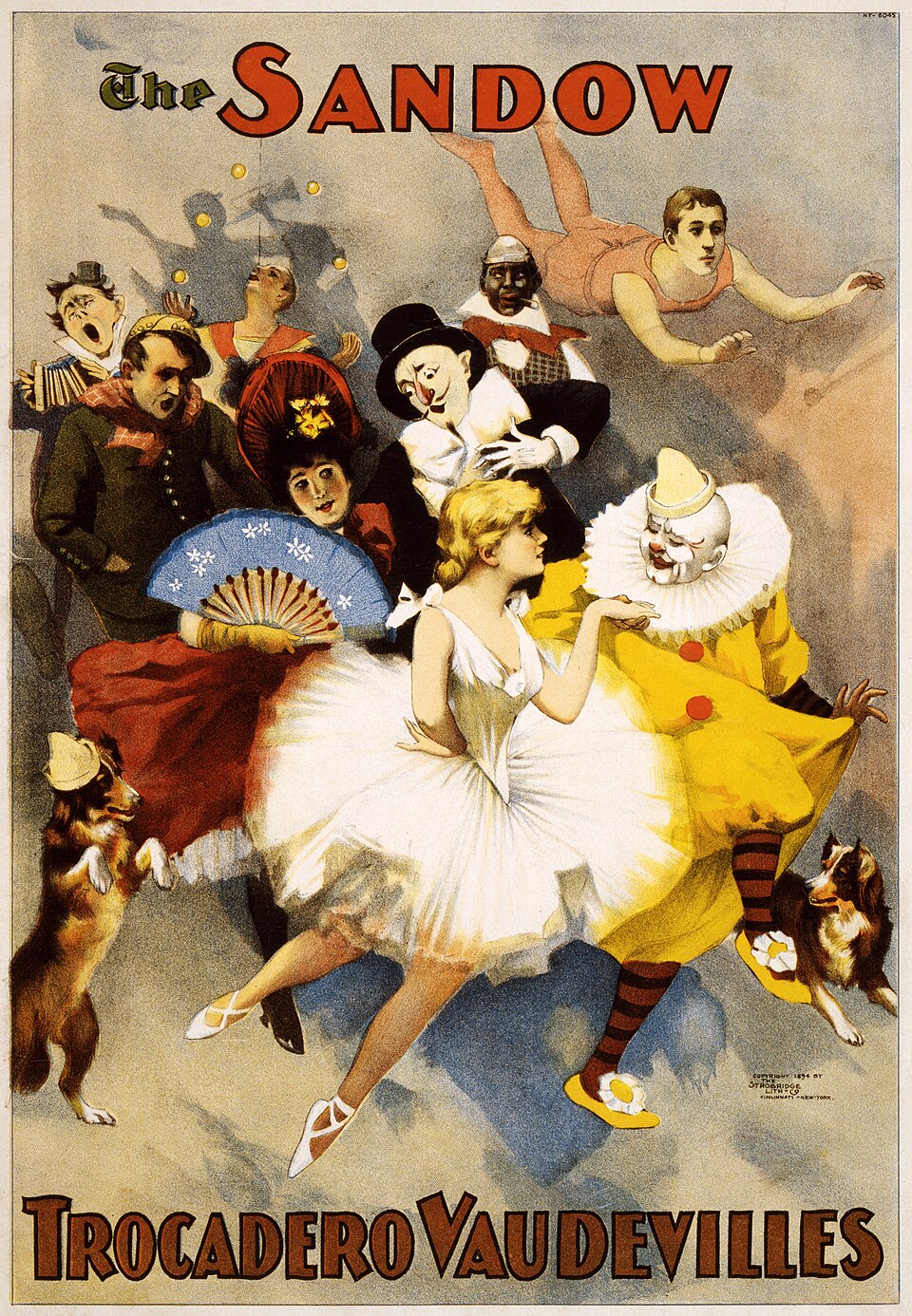
By Strobridge Lithographing Co., Cincinnati & New York – This image is available from the United States Library of Congress’s Prints and Photographs divisionunder the digital ID cph.3g12307. See Commons:Licensing., Public Domain, https://commons.wikimedia.org/w/index.php?curid=11158985
Always looking for a yock, a really big laugh from the audience, or a show stopper of any kind, the Vaudeville performer’s heyday was from the late nineteenth century until the 1920s. Originating in a variety of occasional performances in bars, theatres and wherever else a show could go on, its first appearance under that name is usually said to have been at a Boston saloon in 1840.
Vaudeville was essentially a travelling collection of comedy routines, musical acts, jugglers, acrobats, animal acts, ropers, (cowboy acts) and pretty well anything else that would play – and possibly pay. It became very popular throughout America and Canada, with around two thousand theatres by the start of the twentieth century. By the mid-1920s Vaudeville was destined for oblivion when the movies turned into the talkies. As Vaudeville was increasingly threatened, so many of the houses became blue, incorporating risqué items in an attempt to lure audiences away from the enticements of the silver screen. The overlapping entertainment form that came to be known as Burlesque suffered the same fate, its once glittering shows descending into little more than strip joints.
The name Vaudeville is said to derive from a French slang term for songs of the town – voix de ville, but there are a number of other stories, all of which have a French connection. There is a tradition in the carnival that a circus clown began Vaudeville, but this more likely reflects the close relationship between the two forms of entertainment, a relationship also reflected in the sharing of some lingo. Wherever the term came from, it was firmly established in the 1880s when a circuit of glittering Vaudeville theatres flourished in the northeastern states of America, providing non-stop daily performances for audiences keen to pay for the comedy and out-of-the-ordinary acts available.
Unlike more settled entertainments, such as revues, Vaudeville generally changed its acts each week or so. The acts were known by in-group names. An acrobatic or similarly physical act was called an alley-oop, allegedly from the fact that many of these acts were European in origin and spoke French. They would use a combined form of the French for everyone – ‘allez’ and the English ‘up’ as a command to begin their performance. A slapstick act was known as a baggypants comic. A blackout was a short comedy routine followed immediately by the houselights being turned off. The deuce spot was the least popular second act on a bill, straight after the opener which was usually the worst, but just before the best feature act, which meant that your number two performance was forgotten almost before it was over. Worse still, the audience might simply sit on their hands and decline to show their appreciation at all. The last act was called playing to the haircuts, meaning the performer was playing to the back of the departing crowd.
The vernacular of Vaudeville is full of terms for playing to an unappreciative house or bombing in front of an audience, a reflection of the difficulties of the business. A Brodie was a disaster, said to be named after a performer who survived a fall off the Brooklyn Bridge. As in other forms of showbiz, to flop or die was a common term for failure and an unappreciative house could be called a morgue. A poor act might be called a fish (because it stank). There was always a chance that the act could wow the stubholders, as the audiences were known, or if they were only applauding politely, milk them of more by reappearing onstage, or refusing to leave it until the bitter end.
Acts were often made up of shorter sections,called business. Soemetimes these wereso highlyexaggerated or overdone that they were described as Schtik, a term that moved beyond its original showbiz location and is now used to mean any kind of overly cloying presentation or approach.
Many Vaudeville terms were shared with the closely related entertainment known as Burlesque, or burly-q to its practitioners and aficionados, as expressed in my next post.
Renowned Australian folk musician and singer Dave De Hugard has been singing and researching ‘Waltzing Matilda’, in one version or another, for many years. He has now released the fruits of his labours – a different angle on the origins of the famous song and a compelling new composition based on the original.
Listen to Dave sing his new song, ‘Waltzing Matilda: The Real Swagman’s Story’ here. (scroll to bottom of page)
Coincidentally, Dave also has a couple of new album releases out and available here
Untangling Matilda: A clarification of the origin of the original lyrics of Banjo Paterson’s ‘Waltzing Matilda’
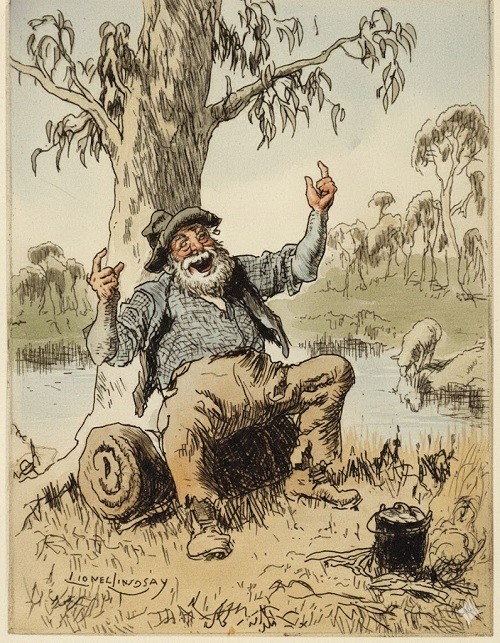
In 1895 as a guest at Dagworth, the Macpherson sheep station, Banjo Paterson, inspired by a tune Christina Macpherson was playing, said to Christina that he thought he could put some words to it. He then and there created in a few lines of verse, the image of a happy swagman, singing as he boiled up his billy by a billabong, ‘Who’ll come a-waltzing Matilda with me?’
This in time would become the first verse of the ‘Waltzing Matilda’ that many of us know. Other verses would follow later, but they would take a decidedly different turn. In this paper I will be looking closely at events and incidents that may have played a significant part in inspiring those later verses. But before we do that, there are some important things we need to know.
First and foremost we need to know that there really was a swagman who drowned at a billabong known as the Combo waterhole. This happened in April 1893, two years before Banjo Paterson arrived at Dagworth. We don’t know who the swagman was but we do know that he had knocked off one of Bob Macpherson’s sheep. This was during the seriously troubled times of the shearer’s strike. At that time, a Constable Pat Duffy and a tracker were looking for a Dagworth stockman who had killed an aboriginal youth, for not looking after the horses properly; and it just so happened they headed towards the Combo waterhole where the swagman was camped. The swagman spotted them and decided to make himself scarce. He tried to get across the billabong but he drowned in the attempt.
That’s one thing we need to know. But we also need to know that Banjo Paterson was aware of this event. The Combo waterhole had been a picnic spot from time to time for the local graziers. And it was at a picnic at that Combo waterhole that Banjo heard from Bob Macpherson, not only the story of the drowned swagman, but also Bob Macpherson’s belief that the billabong was haunted by the swagman’s ghost. This information is contained in the 2nd edition of Sydney May’s ‘The Story of Waltzing Matilda’ (1955). It comes from a Jane Black, a friend of the Macphersons. Jane Black tells us that on a visit to the MacPhersons, she got a retelling from Bob Macpherson of the events that happened during the Paterson visit. This included confirmation from Bob Macpherson that Banjo Paterson had been a guest at a Combo waterhole picnic; and that during that picnic, the story of the drowned swagman and the swagman’s ghost had been told. She tells us also, that she was so impressed with Bob’s story of the drowned swagman and the ghost that haunted the billabong, that ‘we deviated a little next day on our way to Kynuna to get a good view of the magic waterhole’.
With this information under our belt, we can now look at the rest of the verses that Paterson put together to complete his waltzing Matilda story. And what we find is not at all a straight retelling of the story that he had heard from Bob Macpherson. The main ingredients are there – the police, the jumbuck, the drowned swagman and the ghost – but the story has changed completely. Not only does Paterson have the swagman caught and interrogated by his captors but he then has the swagman jump into the billabong and drown himself. He keeps Bob Macpherson’s ghost, but it now sings through the billabong, with a very much less promising, ‘Who’ll come a-waltzing Matilda with me’.
And there is another change as well, and a particularly significant one. It is significant because it relates directly to what I believe Paterson’s original ‘Waltzing Matilda’ was all about. What he did was to remove the original police involved in Bob Macpherson’s account of the drowned swagman. And in their place he put a squatter on a thorough-bred with three policemen in tow. And this wasn’t just any squatter. This squatter was Bob Macpherson. And we know this, because in September 1894, the year before Paterson arrived at Dagworth, a band of striking shearers had burnt down the Macpherson wool shed with a 140 or so sheep inside. Many shots were fired during the night as well. And the next day, to his credit, Bob Macpherson rode out to the shearer’s camp with three policemen to confront the striking shearers. That is all understood and accepted. But what we really want to know is, what is Bob Macpherson doing, now popping up in the earlier drowned swagman story? There is an answer to this, but we first need to go back to the shearer’s strike.
One of the consequences of the strike was that there had been a major breakdown in the usual amicable relations between swagmen on the track and the homestead. Now, instead of calling into the homestead for the usual rations of sugar tea and flour, swagmen would just knock off a sheep in the paddock without a second thought; and this was still happening when Paterson was at Dagworth.
Bob Macpherson’s brother Gideon tells us for instance in some detail in the 2nd edition of Sydney May’s ‘The Story of Waltzing Matilda’ (1955), that Banjo & Bob Macpherson were out riding one day and they came across one of these sheep. It had been recently killed, the best bits taken and the rest just left to go to waste. Gideon then tells us that the completed ‘Waltzing Matilda’ followed soon after.
Christina Macpherson refers also to the same event, but she is more specific. Her reference is in an unsent letter (National Library of Australia) she wrote to Thomas Wood, the author of ‘Cobbers’. ‘Cobbers’ was a book about Australia and in it, Wood had included the words and music of ‘Waltzing Matilda’.
Christina says in her letter to Wood, that she is writing because she thought ‘it might interest you to hear how ‘Banjo’ Paterson came to write it’. She goes on to say that swagmen had been ‘helping themselves without asking’ and that Bob and Banjo Paterson had come across the remains of one of these sheep. She then says, and I quote, ‘Mr Paterson made use of the incident’. Christina doesn’t give us any more information, but that doesn’t really matter, because I believe we already have before us, all we really need to know.
The incident Christina is refering to here, is about Bob Macpherson, yet again, coming across another of his sheep that has been killed, the best bits taken, and the rest just left to go to waste. And it happened on this occasion that Bob Macpherson’s riding companion was Banjo Paterson – and Banjo, we know from his writings, had a good sense of humour. As such, my understanding of the incident Christina has just referred to, to put it quite simply, is that the occasion provided Banjo with an opportunity to have a bit of fun – and to cheer Bob Macpherson up in the process. It also just so happened that Banjo had at hand, still fresh in his memory, Bob’s earlier account of the drowned swagman at the Combo waterhole.
And it wouldn’t have taken Paterson long at all to put together some verses that poetically at least, would finally ‘turn the tables’ on the miscreants who had been knocking off Bob’s sheep! All he had to do was to have Bob Macpherson appear once again as that squatter on the thorough-bred with the three policemen in tow, and the job would be done! And that’s just what he did:
Down came the squatter a-riding his thorough-bred;
Down came policemen – one, two, three.
‘Whose is the jumbuck you’ve got in the tucker-bag?
You’ll come a-waltzing Matilda with me!
And this squatter that has now found its way into the Matilda story, has of course nothing whatsoever to do with an event the previous September, when Bob Macpherson did actually ride out with three policemen to confront the shearers who had burnt down his wool shed. And similarly, nor does this Matilda squatter have anything whatsoever to do with Samuel Hoffmeister, the probable suicide that Bob Macpherson and the police came across on that same occasion.
I also think it very likely indeed that all of the Macphersons would all have understood exactly what Banjo Paterson had written and why – and that what he had written, furthermore, would also very likely, have provided them all with no small amount of amusement:
”So take note any more of you swagmen who think you can knock off Bob’s sheep and think you can get away with it!’
And that’s about it. And it was in that form that the song took off and rapidly became very popular. The verse about the swagman jumping in the waterhole and drowning himself, wouldn’t have appealed to everyone and it probably wouldn’t have been long before more preferable options for some, began to find their way into the song.
In closing, I’ll just say that it does need to be known that as ‘Waltzing Matilda’ was becoming more and more popular, the real story of the very real swagman who actually had been camped at that Combo waterhole, was already well on the way to becoming almost entirely forgotten. And I for one, believe that that story, is way, long overdue for a retelling!
(c) Dave de Hugard, Castlemaine January 2026
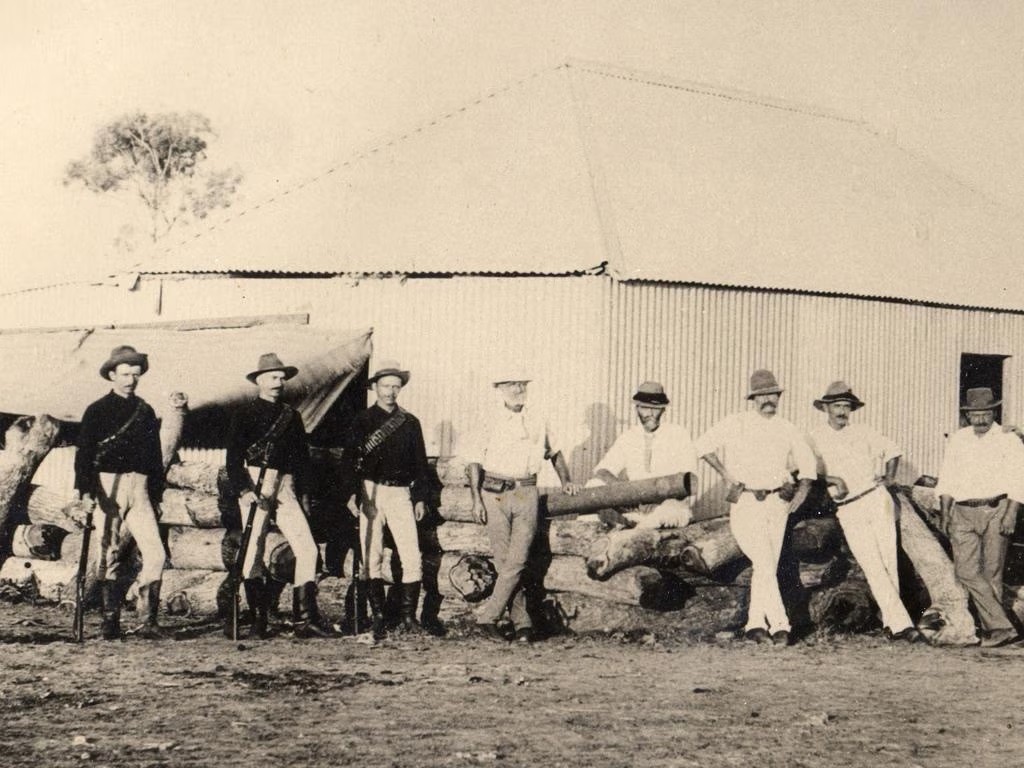
Bob Macpherson, 3rd from right, posing with the three policemen he rode out with in September 1894 to the striking shearer’s camp after they burnt down his woolshed.
Sea monsters have been seen for at least two thousand years. As well as giant squids and krakens, mermaids have featured in many legends and sightings. Hybrid beings of human female and fish, modern mermaids are generally presented as Disneyesque beauties rather than the often savage and dangerous sirens and other hybrids that appear from antiquity into at least the early modern era.
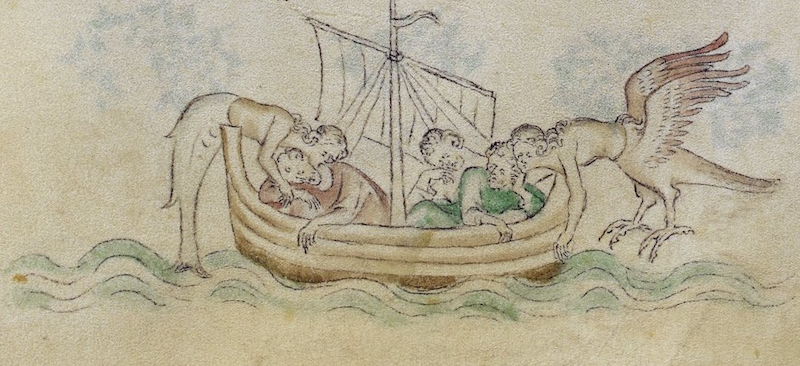
The year 1527 was a particularly bad one for mermaid attacks, it seems. According to Laurence Andrew’s, The Noble Lyfe and Natures of Man of Bestes, Serpentys, Fowles and Fisshes (British Library MS Royal 2 B VII, f. 97r):
The mermayde is a dedely beste that bringeth a man gladly to dethe. Frome the navyll up she is lyke a woman with a dredfull face, longe slymye here a grete body & is lyke the egle in the nether parte, havinge fete and talentis to tear asonder suche as she geteth. Her tayl is scaled like a fisshe and she singeth a maner of swete song and therwith deceyveth many a gode mariner for whan they here it they fall on slepe commonly & than she commeth and draweth them out of the shippe and tereth them asonder… but the wyse maryners stoppe their eares whan they se her for whan she playth on the water all they be in fear & than they cast out an empty tonne to let her play with it tyll they be past her. This is specifyed of them that have sene it.
These mermaids were ugly and murderous, singing passing sailors to sleep before tearing them asunder. Fortunately, the slimy-haired beings don’t seem to have been very bright and were easily distracted from their murderous intent by sailors throwing a barrel into the sea for the creatures to play with. How the barrels might be cast while holding one’s hands over one’s ears to ward off the singing spell was not specified.
Veerappan stands with a gun in his jungle hideout in 1998. Photograph: AP
*
‘It was a pukka operation’ said Jyoti Mirgi, the head of the operation Cocoon force that had been pursing ‘the Jungle Cat’ since 1993. ‘We ordered him to surrender but he refused’.
Mirgi was referring to the gun battle between police and Koose Muniswamy Veerappan (1952-2004), ‘India’s most wanted bandit’ with a price on his head of 20 million rupees, approximately US 500 000 dollars. In October 2004 an undercover police informer working in what was left of the ageing dacoit’s gang tipped off the authorities that the famed bandit would be leaving his forest sanctuary and travelling to hospital for eye treatment. The ambulance that was to take him to the hospital was a police vehicle, as were others in the area.
Over thirty policemen ambushed Veerappan and three of his gang. According to the official report, the bandit was killed on the spot after refusing to surrender. Police gave thumbs up signs as they posed by the famous corpse, which was then was taken to Dharampuri hospital, where crowds reportedly numbering up to 20 000 gathered to see the remains of ‘India’s Robin Hood’, as the press dubbed the notorious outlaw.
Born in 1952, Koose Muniswamy Veerappan had by the time of his death led the authorities on the traditional merry outlaw’s dance for four decades, smuggling sandalwood and ivory, allegedly committing well over a hundred murders and conducting the traditional business of the dacoit, kidnapping politicians and celebrities. In trouble with the law from an early age, he became more active and violent from the 1980s, once allegedly claiming that he cut his victims into small pieces and fed them to fish.
His nickname of ‘The Jungle Cat’ was a linguistic acknowledgement of his ability to elude and outfox the large numbers of police and troops sent against him in his jungle hideaways in the southern Indian states of Tamil Nadu, Karanataka and Kerala. He was said to have the sympathy of the poor, a fact that made it difficult for the authorities to obtain reliable information about his activities and whereabouts.
His most ambitious crime was kidnapping an Indian movie star, Rakjumar, and extorting a ransom from the state government before returning the star unharmed. But he also kidnapped a former politician in 2002, murdering him when his demands for money were refused. The bandit’s own description of how he killed one enemy gives an insight into the realities of bandit life and death:
“I wanted to see the blood gushing out of Srinivas’ chest. I took out my gun before he knew what was happening and shot him. I then cut off his head and began hacking off his hands. These were the very hands that wanted to turn machineguns on me. I kept his head as a souvenir.”
As is often the case with elusive bandits, there were suspicions that Veerappan had contacts with political and security officials and with the separatist Tamil Nadu Liberation Army, a faction of which vowed to take revenge for his death, according to the Khaleej Times. His long dacoit career and the expensive operations eventually mounted to track him down suggest that he may have had more help than that available to him from his poor supporters, among whom he was said to distribute some of the proceeds of his many crimes and to shower the village children with sweets
Reporting Veerappan’s demise, the press lapsed immediately into the ambivalent rhetoric always associated with such figures. According to The Times, he was ‘an Indian Osama bin Laden and Robin Hood rolled into one: endlessly elusive, apparently uncatchable, evading troops sent to search for him even as he mocked them from his jungle lair.’ The Independent suggested India had a similar love-hate relationship with Veerappan as that of America with Billy the Kid, saying ‘if Veerappan was India’s blackest villain to some, to others he was a hero. He was able to survive in the jungle because villagers brought him and his men food, motivated by a mixture of respect and fear. The government forces sent to capture Veerappan were also said to have oppressed the local people: “At least, he does not hurt us,” they say.
The Indian newspapers were more condemnatory. The Telegraph of Calcutta quoted a former hostage saying he was glad that the outlaw was dead as he was a ‘cruel animal and vermin of the gutter’. The Indian Express referred to Veerappan’s ‘evil little empire’ and wondered how he was able ‘to mock the law for so long’. Elsewhere in India the press portrayed the dead bandit more in the manner of the outlaw hero with TheNew Indian Express quoting his aged mother to the effect that poverty had driven Veerappan to outlawry, though it also suggested that he commanded support more by fear than by sympathy.
Veerappan continued to be controversial and contradictory even in death. The director of the 1995 film of the outlaw’s life, boasting that Veerappan had approved the script, retitled it as Veerappan: The Original. He was reportedly responding to news that a rival director was preparing another film production to be titled Let’s Kill Veerappan. He became the subject of books and press articles and a long series on Indian television in 2007. Various legal actions ensued, keeping the bandit’s name in the public eye. It was also said that Veerappan stashed his loot somewhere in the jungle; people have been looking for it ever since.
In the facts and the fictions of Veerappan’s life and death echo those of other bandit heroes. He was forced into a life of crime by circumstances. He had the support and sympathy of his social group. He preyed mostly, if not totally perhaps, on the rich and powerful, he was betrayed and he died game. All these attributes, real or not, contributed to his being dubbed ‘the Indian Robin Hood’. In many ways, Veerappan’s life and legend are a link between the older style of bandit hero and more modern criminals who have understood the tradition and sought, in various ways to bend it to personal, ideological or commercial ends.
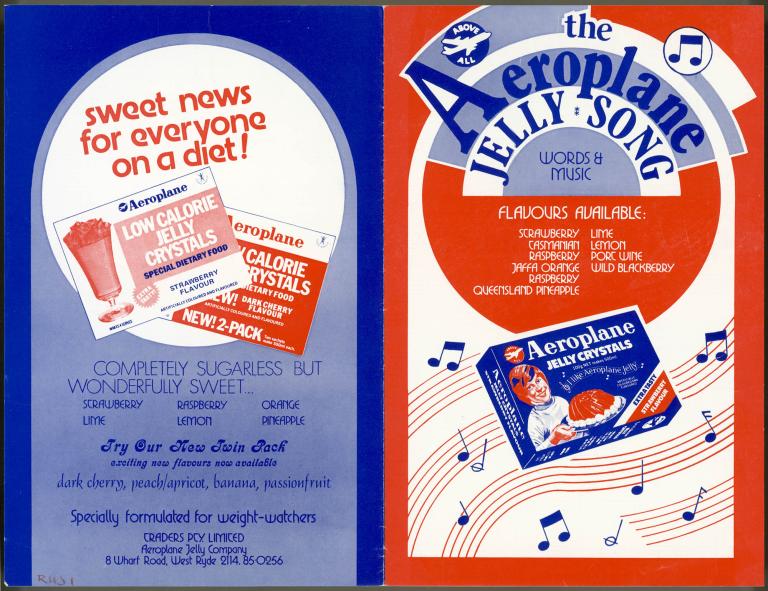
What do ‘Waltzing Matilda and the ‘Aeroplane Jelly’ song have in common? They are both advertising jingles.
Most Australians know both songs, but few know that ‘Banjo’ Paterson’s poem, set to music by Christina Macpherson, was barely heard of before being used as an advertisement for ‘Billy Tea’ early in the 20th century. The musical come-on has been with us ever since.
While Chesty Bond, the Arnotts’ parrot and the swaggy facing out the ‘roo on the Billy Tea packet are well-known visual icons of national identity it is the catchy musical icons of Australian commercial culture that we can’t get out of our collective mind. The immortal melodies and deathless lyrics associated with ‘Mortein’, ‘Vegemite’, ‘Milo’, ‘Mr Sheen’ and, flying highest of all, ‘Aeroplane Jelly’ are our catchiest carols of consumerism. They have called us to corner shop and supermarket for generations. They are household brand names and elements of that shared soundscape that is as much a part of the Australian way of life as the bush, the beach and the Holden car. We may not know all the words but when we hear ‘The Aeroplane Jelly Song’ or ‘Happy Little Vegemites’ we immediately think of the products they purvey.
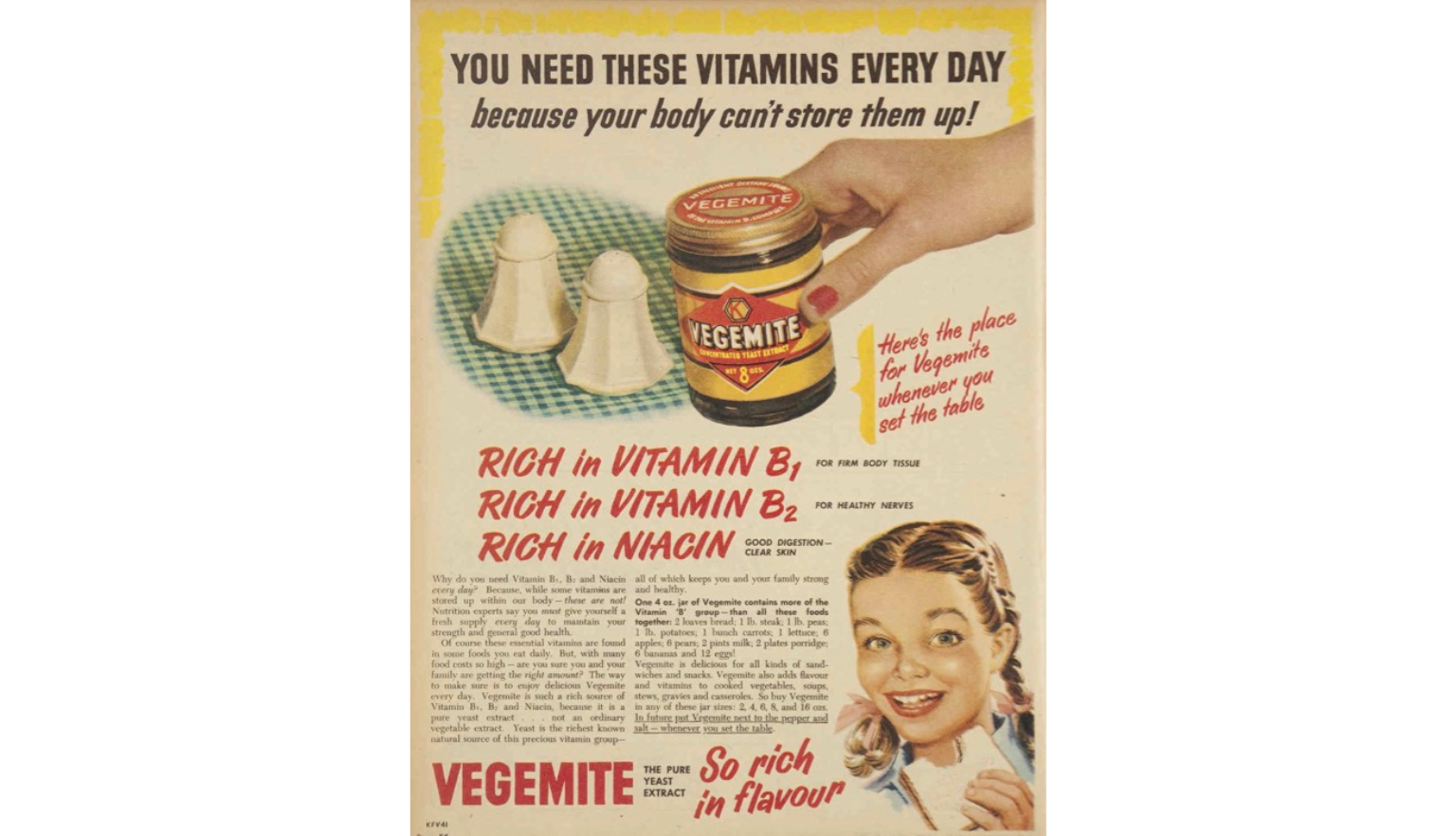
One of the most famous Australian products is a sticky black substance made from the leftovers of beer brewing. Long-owned by the American food giant, Kraft, Vegemite has for almost as long been widely acknowledged as the essential Australian foodstuff. Who has not been a ‘happy little Vegemite’, a phrase so powerful that it has entered our folk speech as a term for contentment?
We’re happy littleVegemites, as happy as can be
We all enjoy our Vegemite for breakfast, lunch and tea.
Mummy says we’re growing stronger every single day
Because we love our Vegemite, We all enjoy our Vegemite,
It puts a rose in every cheek.
A simpler but no less effective musical come-on for a foodstuff was the jingle for the egg, malt, milk and almost everything else beverage marketed as ‘Milo’. While the advertisers of Milo did not claim to put ‘a rose in every cheek’, their drink was said to make a ‘marvellous’ ‘difference’. In just what way Milo was ‘marvellous’ and in what way(s) it was ‘different’ were not examined. But never mind, it had a catchy tune:
It’smarvellouswhat a difference Milo makes
Milo is best.
The most famous of all our pop anthems must be the ‘Aeroplane Jelly Song’. This ditty has been in our audio consciousness for well over half a century. Like Vegemite and Milo, it exhorts us to consume for our dietary well-being.
I likeAeroplaneJelly
AeroplaneJelly for me.
I like it forbreakfast,I like it for tea,
A little each day is a good recipe.
The quality’s high, as the name will imply;
It’s made from pure fruit, that’s one good reason why
I likeAeroplaneJelly,
AeroplaneJelly for me.
But after the Milo, the Aeroplane Jelly and the Vegemite had been consumed there was a problem. What to do with the empty containers and dirty dishes? Sticky jars of black goo, globules of jelly clinging to bowls and Milo-encrusted cups had to be swiftly dumped or washed for fear of those other Australian icons, the bloody flies.
Vegemite solved the problem brilliantly by making the container a drinking glass. But this option was not available to the packagers of other foodstuffs, so the perennial problem of flies was exacerbated by garbage bins full of empty food containers. Fortunes were made by those smart enough to market fly-killing insecticides. None was more famous than the household name of Mortein.
To get us to buy their product and mercilessly cut down the fly menace, Mortein’s advertisers came up with the repellent cartoon character of Louie the Fly, whose song was a kind of antipodean ‘Hernando’s Hideaway’. Louie was a noisome beast of unfly-like size who lived on filth and rubbish, dripping black trails of disease across our TV screens, originally in black and white, more recently in full colour:
I’m Louie the fly, Louie the fly
Straight from rubbish tip to you
Spreading disease with the greatest of ease
Straight from rubbish tip to you.
I’m bad and mean and mighty unclean
Afraid ofno-one–
‘Ceptthe man with the can ofMortein
Hate that word,Mortein,Mortein
Poor dead Louie, he couldn’t get away (Louie the fly)
A victim ofMortein;
Mortein.
The last section was Louie’s musical epitaph, sung in dirge-like tones. The viewers were left in no doubt that the great home insecticide would do its work well, protecting us from the consequences of our consuming and our cast-offs.
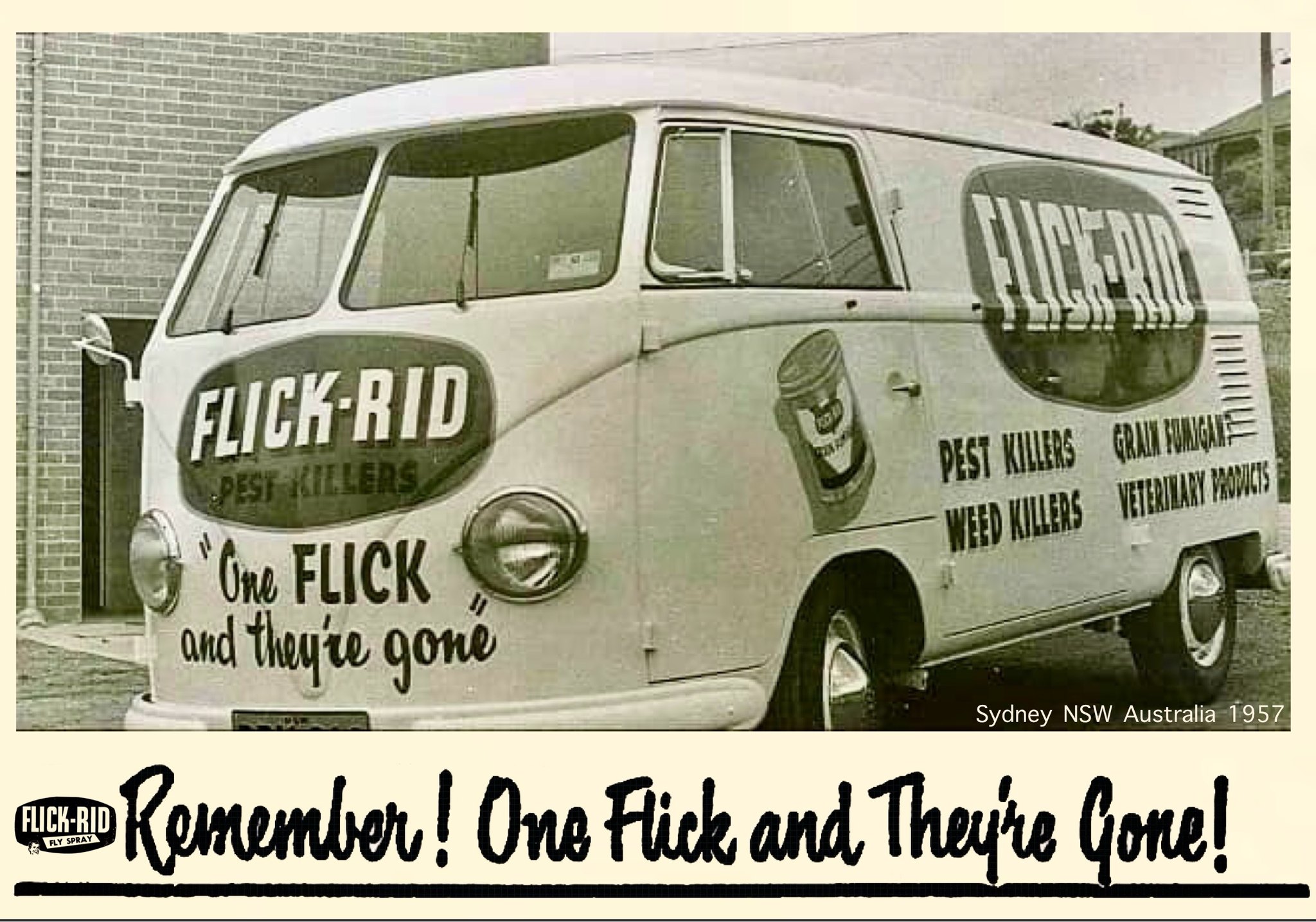
One of Mortein’s competitors was ‘Flick’, also a household name for many years. Just as Mortein protected the family from disease-carrying flies, so Flick undertook the defence of the home’s physical structure against the invasion of natural pests. Whiteants (or termites), wood borers and silverfish were the villains of the Flick jingle:
If there arewhiteantsin the floor,
Borers in the door,
Silverfish galore
Get a Flick man, that’s your answer
Remember, one Flick and their gone.
As well as our fascination with incineration and liquidation in the effort to protect family and home, we also worried about protecting ourselves from dirt. Cleanliness was not only next to Godliness, it cost so the advertisers assured us, next to nothing to attain. And it could be done in a jiffy.
The strangely small, balding Mr Sheen appeared in the early years of telly and has returned from time to time, ever since. Mr Sheen cleaned your furniture in the twinkling of an eye – ‘it only takes one spray; to wax and polish it away’
Oh,MrSheen,MrSheen
You’re the quickest waxing trick we’ve ever seen
It only takes one spray; wipe it over right away.
Wax and polish as you dust withMrSheen…
Excavating these musical icons of Australian commercial culture encourages some interesting speculations about our deeper concerns. Our pioneering ancestors feared the great unknown emptiness, its savagery and what they thought of as the strangeness of its animal and human inhabitants. In the age of consumption these paranoias have remained in our commercial culture. Protection from insects, dirt and poor health is a continual theme in these ditties.
As well as these cultural condoms we have sought to draw around us, Australians have been obsessed with foods that do us good and with avoiding the consequences of the filth resulting from our cast-offs. We have consumed concoctions as odd as the residue of beer-brewing, malted eggs and sugared gelatine. When we have finished eating and drinking, we have been concerned to clean up after ourselves, to make the grot disappear in the twinkling of an eye.
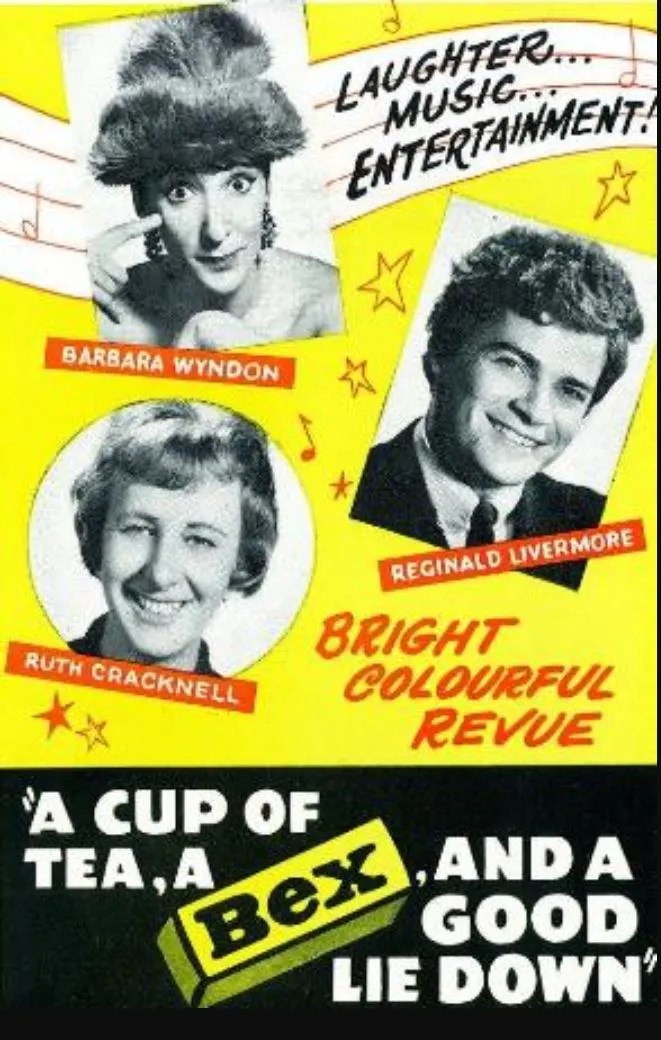
There are important differences between the visual and the musical icons of Australian commercial culture. The manly Chesty Bond, the stubborn Billy Tea swaggy and the bold colours of the Arnotts’ parrot suggest virility and confidence. But many of our most characteristic advertising ditties imply that we are really a nation of ‘Ovalteenies’, worried about our health and frightened of a bit of dirt and a few flies. Perhaps, in the slogan of another famous commercial of the past, Chesty Bond likes nothing better than ‘a cup of tea, a Bex and a good lie-down’?
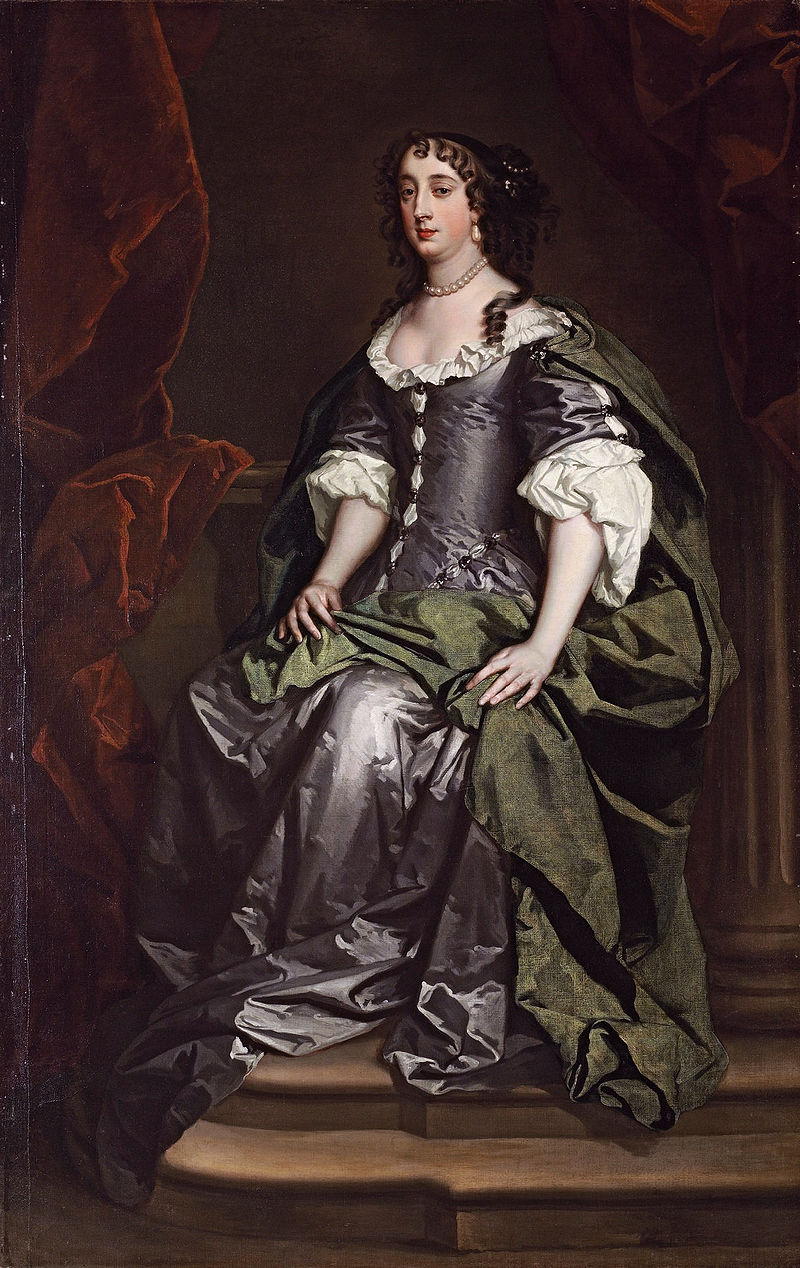
Portrait of Barbara Villiers, Countess of Castlemaine, 1st Duchess of Cleveland (1640-1709)
This satirical petition was supposedly written by Elizabeth Cresswell, Damaris Page and other brothel keeps to Lady Castlemaine (Barbara Villiers), the mistress of Charles II. March 1668. It treats Lady Castlemaine as a high-class prostitute, and so, as one of their own. The petition appeared in the iimediate aftermath of the ‘Bawdy House Riots’ of Shrove Tuesday, 1668. Apprentices and adult males attacked London brothels and prostitutes, angered that they could not afford their services. The petition suggests that Lady Castlemaine should by rights compensate the whores and their madams from public funds.
Of course, this was all highly inflammatory and caused major ructions in the notoriously licentious and corrupt court and the establishment in general. The petition was a satirical act of underclass protest by an unknown hand/s and played brilliantly into the political, religious and social tensions of that time and place. It also set off a chain reaction of similar scurrilous and parodic satires against the monarchy and its venal support structures.
***
The Poor-Whores Petition to the most Splendid, Illustrious and Eminent Lady of Pleasure, the Countess of Castlmaine etc. The Honorable Petition of the Undone Company of poor distressed Whores, Bawds, Pimps, and Panders, etc. Humbly sheweth,
That your petitioners having been for a long time connived at and countenanced in the practice of our venereal pleasures (a trade wherein your ladyship hath great experience, and for your diligence therein have arrived to high and eminent advancement for these late years), but now we, through the rage and malice of a company of London apprentices and other malicious and very bad persons, being mechanic, rude and ill-bred boys, have sustained the loss of our habitations, trades and employments; and many of us that have had foul play in the court and sports of Venus, being full of ulcers, but were in a hopeful way of recovery, have our cures retarded through this barbarous and un-Venus like usage, and all of us exposed to very hard shifts, being made uncapable of giving that entertainment, as the honor and dignity of such persons as frequented our houses doth call for, as your ladyship by your own practice hath experimented the knowledge of.
We therefore being moved by the imminent danger now impending and the great sense of our present suffering, do implore your Honor to improve your interest, which (all know) is great that some speedy relief may be afforded us, to prevent our utter ruin and undoing. And that such a sure course may be taken with the ringleaders and abettors of these evil disposed persons that a stop may be put unto them before they come to your honor’s palace and bring contempt upon your worshiping of Venus, the great goddess whom we all adore.
Wherefore in our devotion (your honor being eminently concerned with us) we humbly judge it mete that you procure the French, Irish and English Hectors, being our approved friends, to be our guard, aid and protectors, and to free us from these ill home-bred slaves that threaten your destruction as well as ours that so your ladyship may escape our present calamity. Else we know not how soon it may be your honor’s own case: for should your eminency but once fall into these rough hands, you may expect no more favor than they have shown unto us poor inferior whores.
Will your eminency therefore be pleased to consider how highly it concerns you to restore us to our former practice with honor, freedom and safety; for which we shall oblige ourselves by as many oaths as you please, to contribute to your ladyship (as our sisters do at Rome and Venice to His Holiness the Pope) that we may have your protection in the exercise of all our Venereal pleasures. And we shall endeavor, as our bounden duty, the promoting of your great name and the preservation of your honor, safety and interest, with the hazard of our lives, fortunes and honesty.
And your petitioners shall (as by custom bound) evermore pray, etc.
Signed by us, Madam Cresswell and Damaris Page, in the behalf of our sisters and fellow sufferers (in this day of our calamity) in Dog and Bitch Yard, Lukenor’s Lane, Saffron Hill, Moorfields, Chiswell Street, Rosemary Lane, Nightingale Lane, Ratcliffe Highway, Well Close, East Smithfield etc., this present 25th cay of March 1668.
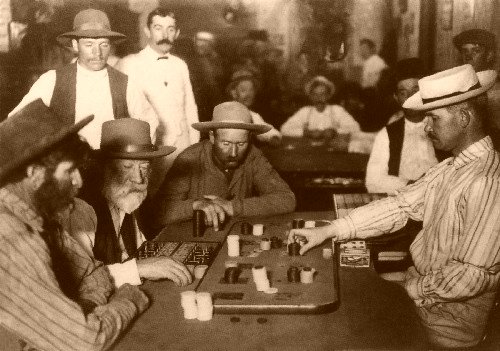
A nineteenth gambler named Mike Macdonald is credited with the phrase ‘There is a sucker born every minute’ and gambling of all kinds was big business in the expansion of America. The first major surge was from around 1800 to the mid-1830s. Games such as faro, craps, monte and, later, klondike became established with the sharpers, or professional gamblers, preying on the suckers with all manner of rigged games, stacked decks and a host of other tricks and traps. So prevalent and frequently ruinous was the urge to gamble that a strong moral and social backlash saw gaming shut down in many places, sending the sharpers and their tricks out across the roads of a rapidly expanding nation.
The Californian gold rushes provided another opportunity for gamblers to ply their trades. It seems that the card and dice game of banco was introduced from Europe at this time (although the founder of the Pinkerton Detective Agency did not come across it until 1869 in New Orleans). It grew rapidly in popularity, developed many variations, mostly crooked and become widely known as bunco, often played in bunco parlours or bunco skins. The game used accomplices similar to those used in the shell game and later confidence tricks to bring the mark to the fleecing. This person was known as a bunco steerer. Bunco became a byword for swindling of all kinds and the term bunco artist or bunco man became synonymous with fraud and deception of all kinds. Many police departments even referred to their fraud and gaming officers as bunco squads from the period of Prohibition when the game made a return to the criminal pursuits of gangsters, particularly in Chicago, though the numbers rackets, refinements of yet earlier refinements of ancient swindles, seem to have become the main forms of graft by this time. The once popular and powerful expostulation buncombe! is also related to bunco, though which word came first has been the subject of controversy among linguists.
A second major wave of gambling began after the Civil War and lasted to the early twentieth century. During these periods, between them, and after them, gambling ebbed and flowed depending on local politics and economics. Sometimes betting of all kinds, whether square or crooked, was banned, sometimes it was wide open, sometimes it was legal but regulated. Through all these ups and downs though, the card sharps and their victims played on, using an always evolving and extensive language of luck, cheating and skill.
The places in which these games were played and usually lost, ranged from anywhere flat space where dice could be thrown or cards laid, all the way through to elaborate resorts and casinos. The best of these palaces of pleasure and financial pain were known as splendid hells, hell being an old description for gambling dens. Those cheap premises where players set up their own games were known as wolf traps, skinning houses or deadfalls. They were also known as ten percent halls from the size of the cut that the individual gambling entrepreneur gave to the house for the privilege of playing there. If a player got a square deal – the origin of the current phrase – at any of these places it was an oversight.
One of the means devised to make sure that suckers did not prosper was the mechanical dealing box. The first of these seems to have surfaced in the early 1820s. It was a brass box, slightly larger than a standard deck of cards and with thumbhole on the top through which the dealer slid each card out of a slit in the side. A spring pushed the remaining cards to the top as each one was dealt. The potential for chicanery – already developed to a high art in hand dealing – now increased exponentially. Dealing boxes were rigged with a bewildering variety of fiendishly cunning devices for cheating with names like the tongue-tell and the sand-tell, the needle squeeze or the end-squeeze. One was called the gaff, a new variation on an old and widely used word having a long association with the arts of deception. These devices were all legal and could be purchased from specialised suppliers, along with marked and otherwise rigged decks of cards, dice, roulette wheels and hold-outs for secreting cards on the body or beneath the poker table. When all these devices and techniques failed or were unavailable, the gambler could always fall back on the folk wisdom in the traditional rhyme:
Cut ‘em thin, sure to win,
Cut ‘em deep, sure to weep.
The jargon of the many forms of gambling that have evolved in modern times is large and long. Sucker has extended to a sucker bet and there are a variety of words for unskilled or unwary players, including degenerate, meaning a compulsive gambler, a mush (possibly from Romany) is a player who always has bad luck, while a pigeon is a naive gambler. A whale bets extremely large amounts each round, and a square is an inexperienced gambler. Sharp, sharper or shark is still used to denote a professional gambler. One could be skinned, rooked, taken down, fleeced, bilked, milked, bled dry or gypped, among many other expensive consequences. Even the eminent writer and wit, Oscar Wilde, was not safe from the wiles of the notorious bunco man, ‘Hungry’ Joe Louis. He took Wilde for the enormous sum of $5000 during the celebrity’s tour of the United States in 1882. Fortunately, Oscar rapidly stopped payment on the cheque he had wisely given Hungry Joe rather than the cash that these accomplished con men preferred. If the great man responded to this experience with one of his famously well-turned quips, it is not recorded.
In his account of the New York underworld, Low Life (1991), Luc Sante notes how many terms from the card game faro have passed into popular parlance. Faro was a development of an ancient game that had many variations in Europe and Britain, arriving in America at the end of the eighteenth century, spreading across the country during the nineteenth century. It was a complex game in which many betting possibilities could be wagered by the player against the house, represented by a dealer and an assistant. Faro involved twenty-five draws or turns, with the final turn being the one on which most could be won – or lost. The assistant’s job was to replicate a smaller version of the game in a special box, or case-keeper, allowing the dealer to predict how the last turn would go. Although faro was so blatantly rigged it was apparently considered to be a fairer form of gambling than any other, one reason for its great and enduring popularity. This had faded by the turn of the twentieth century, but words and terms such as parlay, keeping tabs on someone or something, piking, to break even, to string along, to be a pigeon and to be in hock are all identified by Sante as having their origins in the hazardous diversion of faro.
Inevitably, gambling lingo has more than its fair share of terms for losing money. These brokisms include being down to the felt, tapped out and dropping money. A player on a losing streak may be cold and scared money is cash that you cannot afford to lose. A bad beat in poker occurs when a player expects to win the pot but loses, while drawing dead is to have an inevitably losing hand, as revealed by subsequent events in the game. According to poker legend, the ultimate losing combination of a dead man’s hand stems from the fact that Wild Bill Hickock was shot dead in 1877 while holding a hand of a pair of aces and a pair of eights, usually said to have been in black coloured suites.
Now, as then, the great and the obscure still flock to lose their earnings and sometimes more in a variety of bedazzling new as well as tried and true old ways. Bunco even made a return to the gambling precincts of New York in the 1980s and online gambling through the World Wide Web is a massive industry. The language of gambling reflects this ongoing tradition. Some of the older gambling terms, or new terms with similar meanings, are in current use. A carpet joint is a luxurious casino, while a sawdust joint is a very basic gambling club. Shills are employed in similar roles to those working for the fleecer in the shell game. They will play at tables on behalf of the house to fill up empty seats until real players arrive. A mechanic is still a dealer who cheats players, as he or she has been for well over a century and grease means a bribe. The commission taken by a casino is known as juice, vigorish or vig. A term associated with circus and carnival speech is also used in modern gambling lingo. The nut can refer either to the overheads incurred in running a gambling house or to the amount a gambler plans to win. It is also used in circus and carny speech. To crack the nut is to win enough to pay for all costs together with a profit margin, also termed white meat.
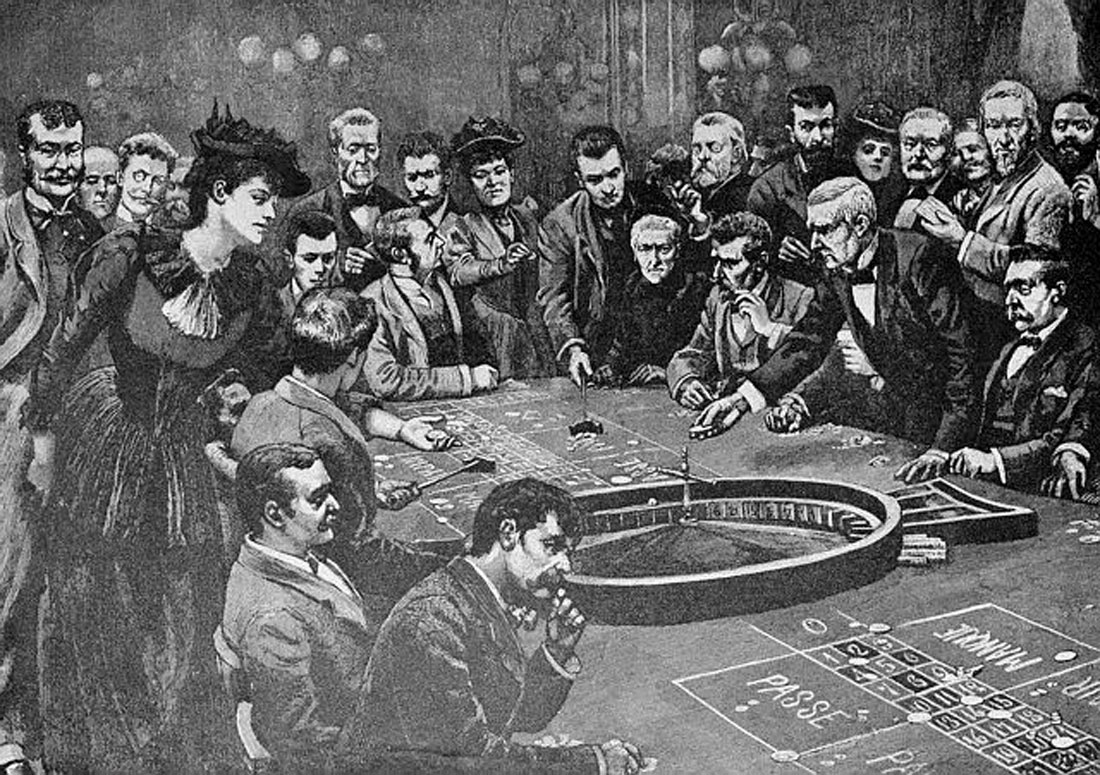
19th century casino, At the House of the Bronze Door, New York
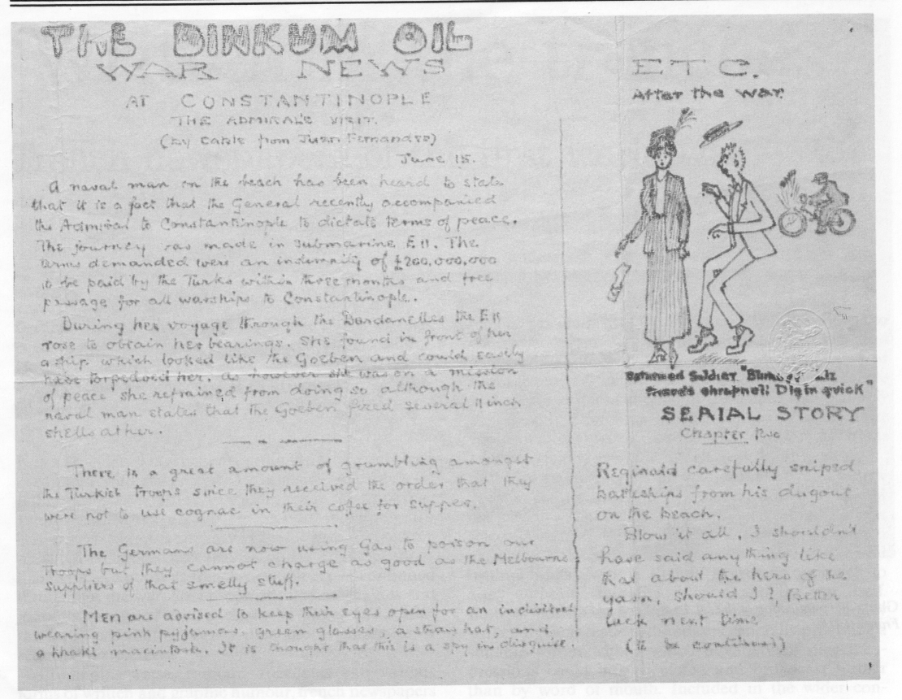
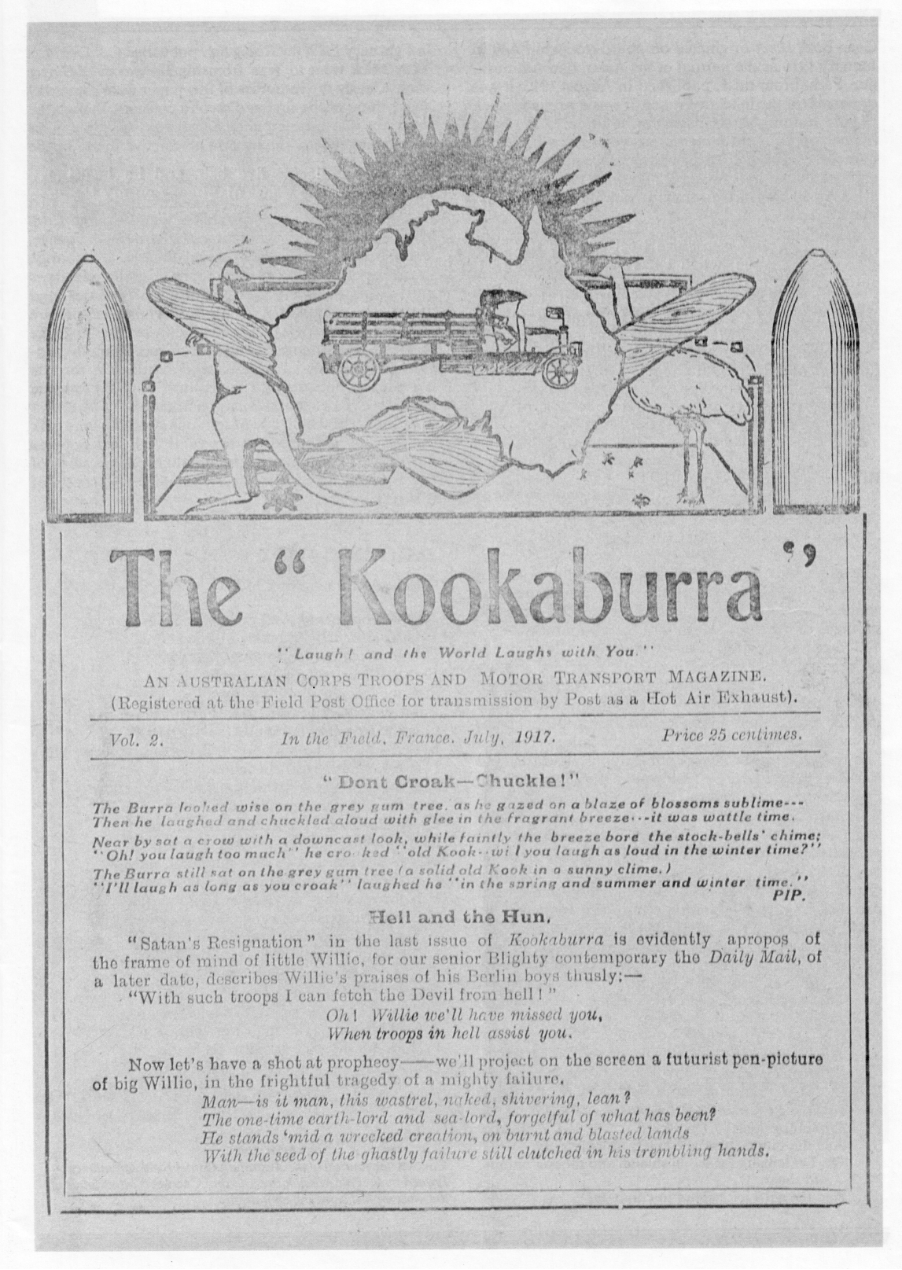
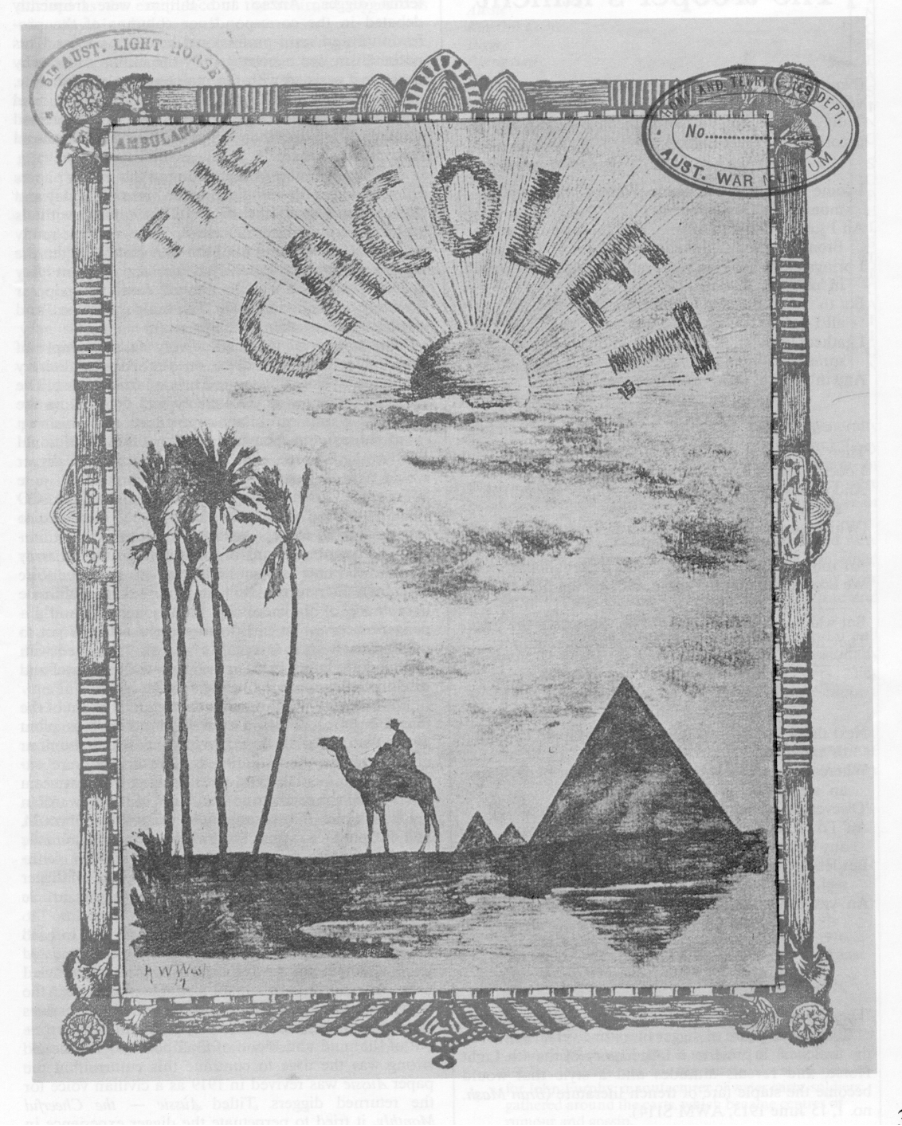
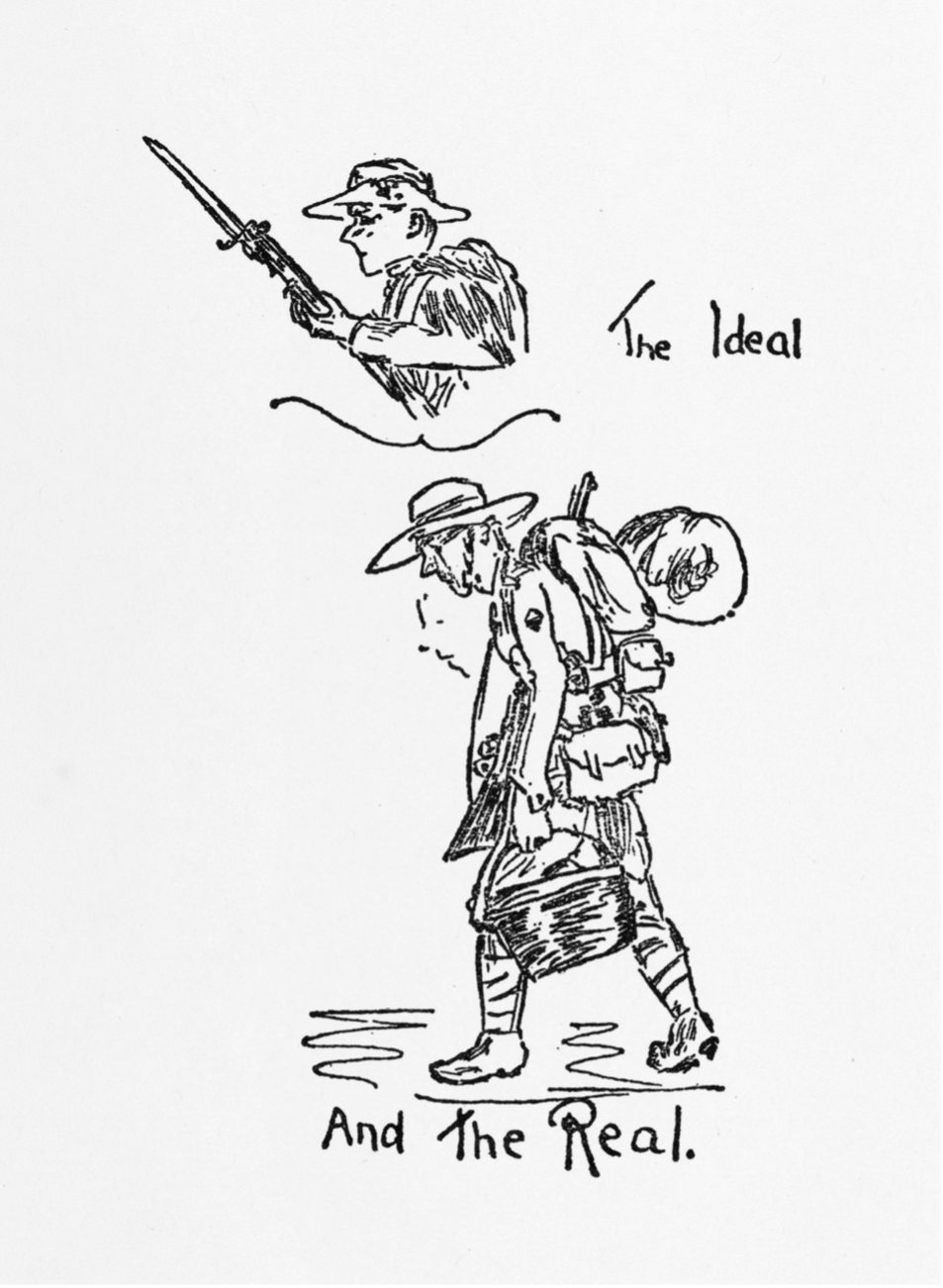
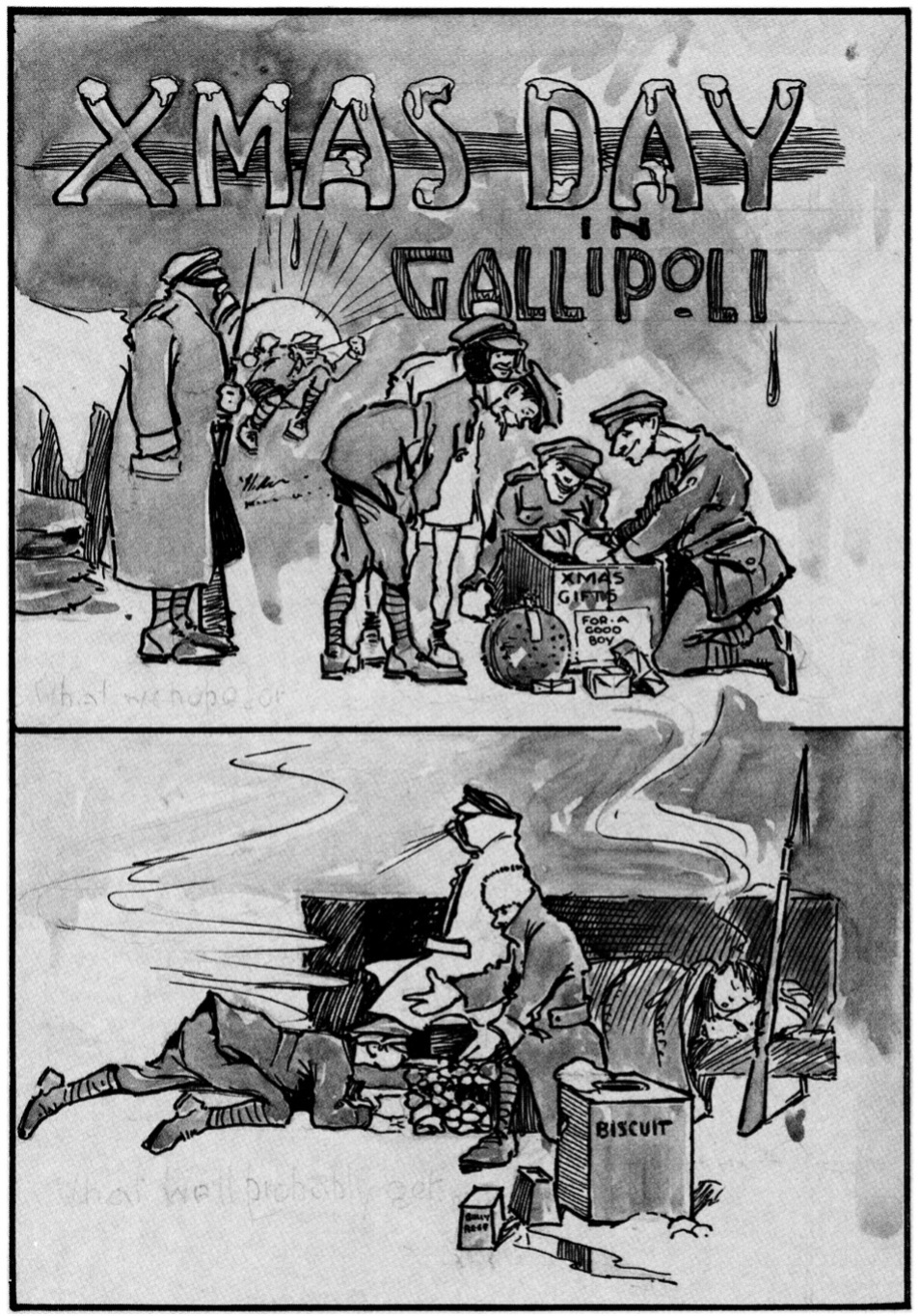
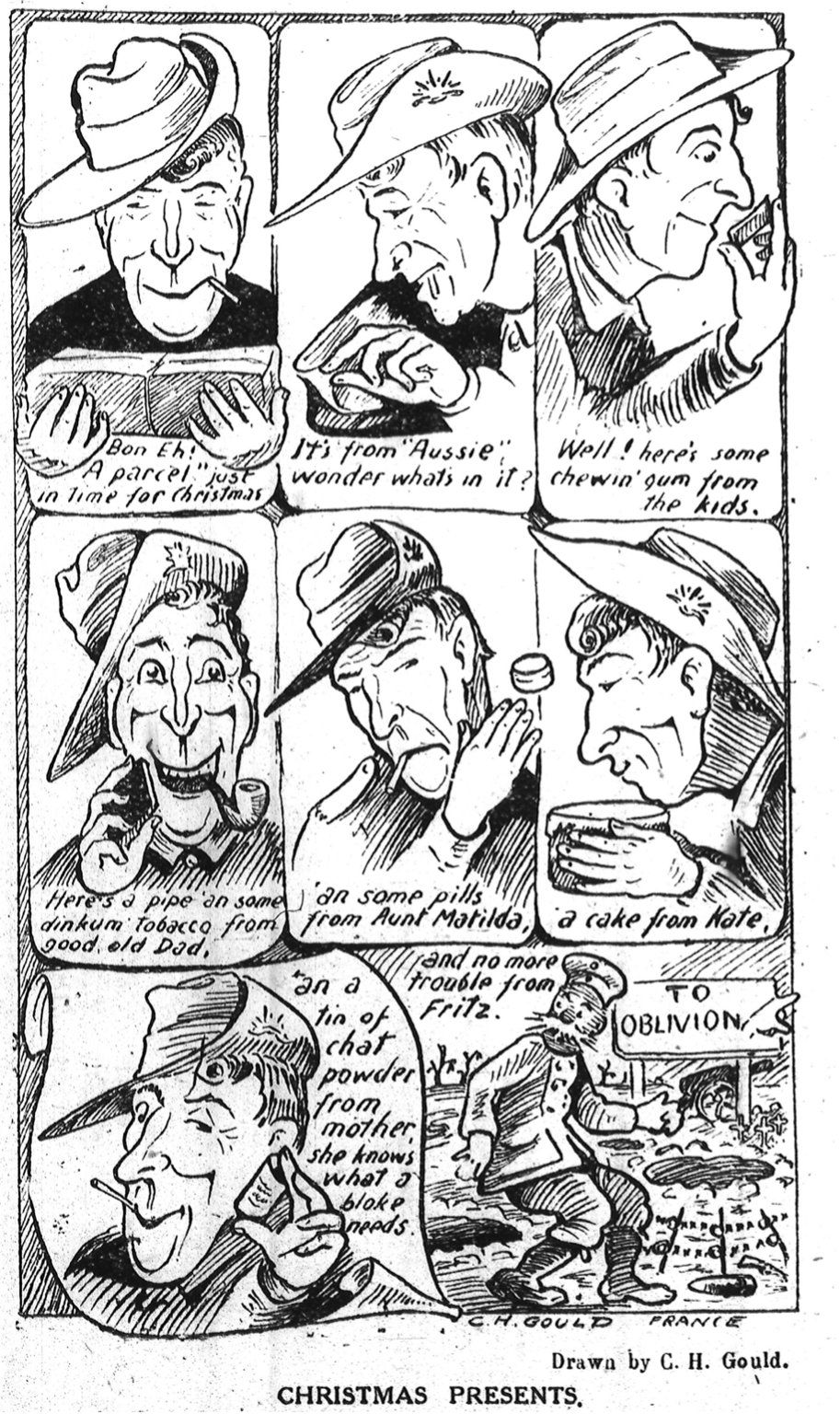
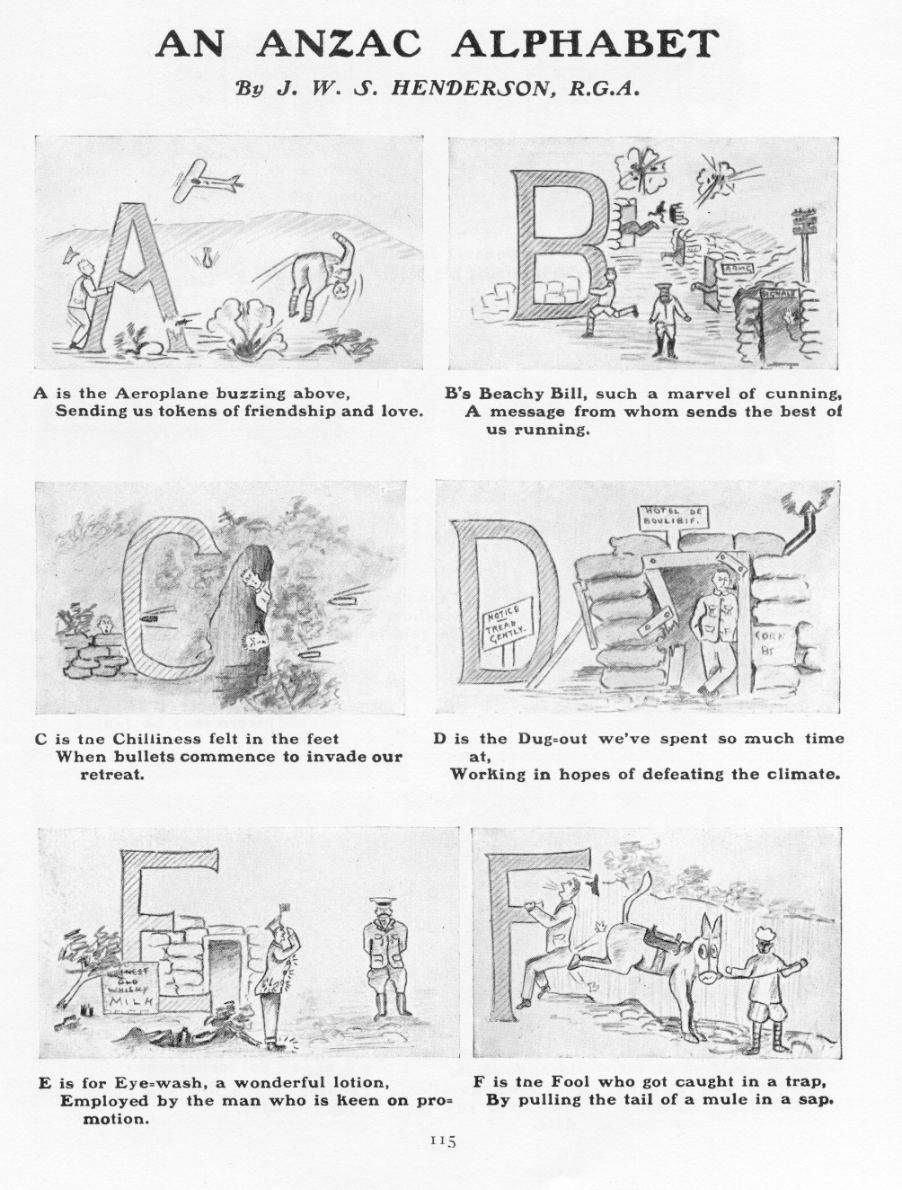
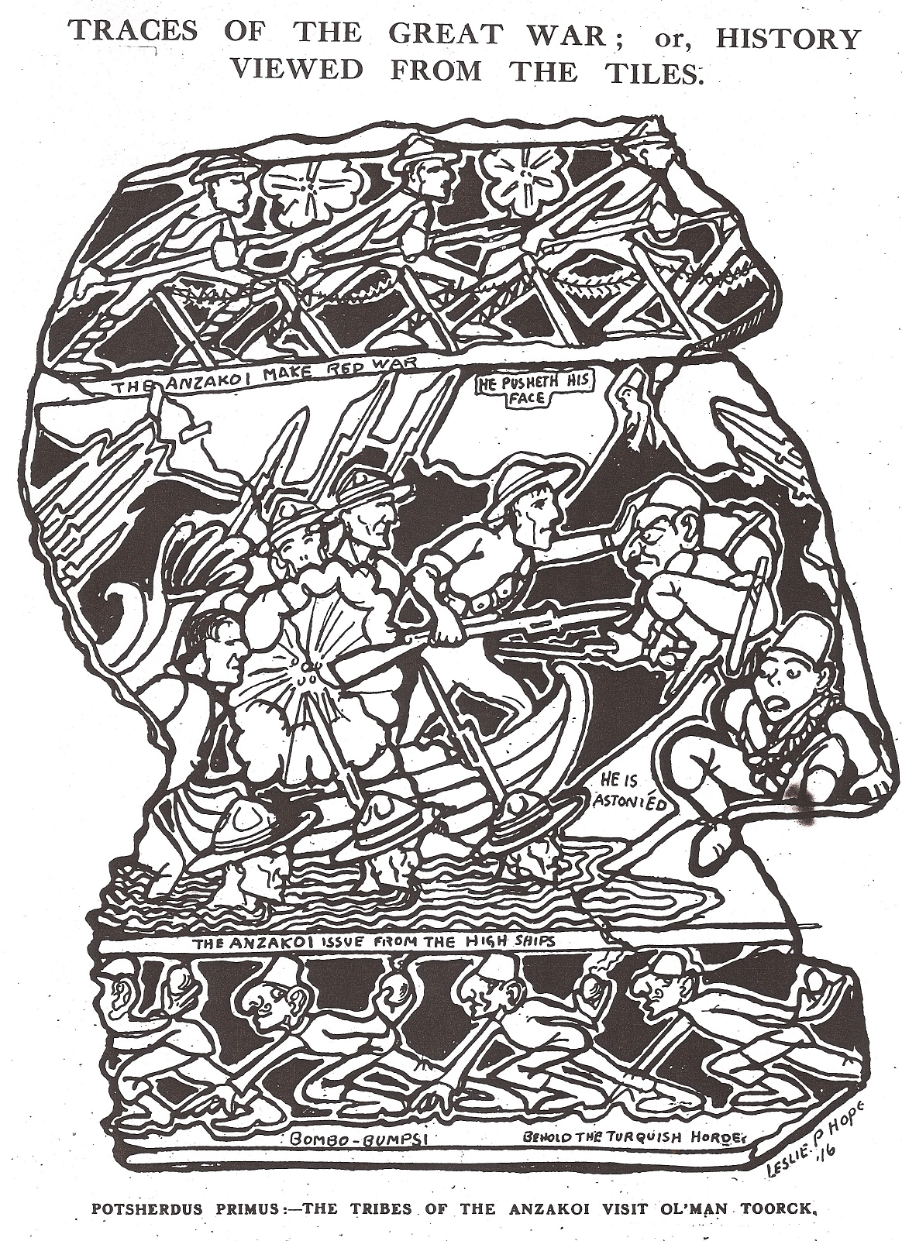
Australian and New Zealand soldiers of World War 1 created their own newspapers and magazines. Known as ‘trench journals’, this soldiers’ press were the unofficial publications of active duty soldiers, about their experiences and for other soldiers. They tended to be crude, irreverent, often critical of authority and the conduct of the war – and very funny. Other allied soldiery also had their own trench journals, as did the Germans, but these are a few of the images that appeared in the Anzac Press, beginning with a few of the covers…








 GRISTLY HISTORY