THE ANZAC PRESS – A Gallery of Australian and New Zealand Trench Journal Art from World War 1

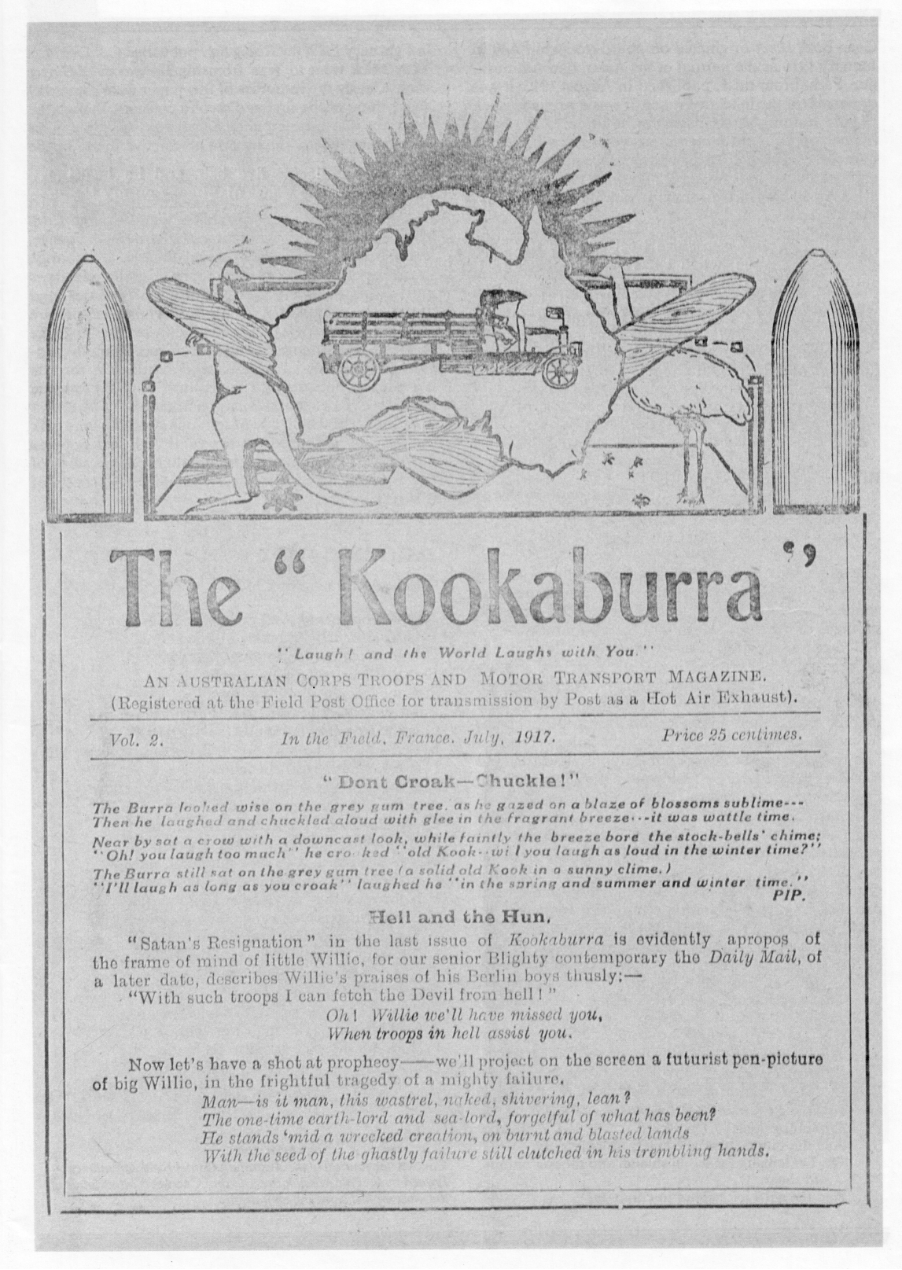
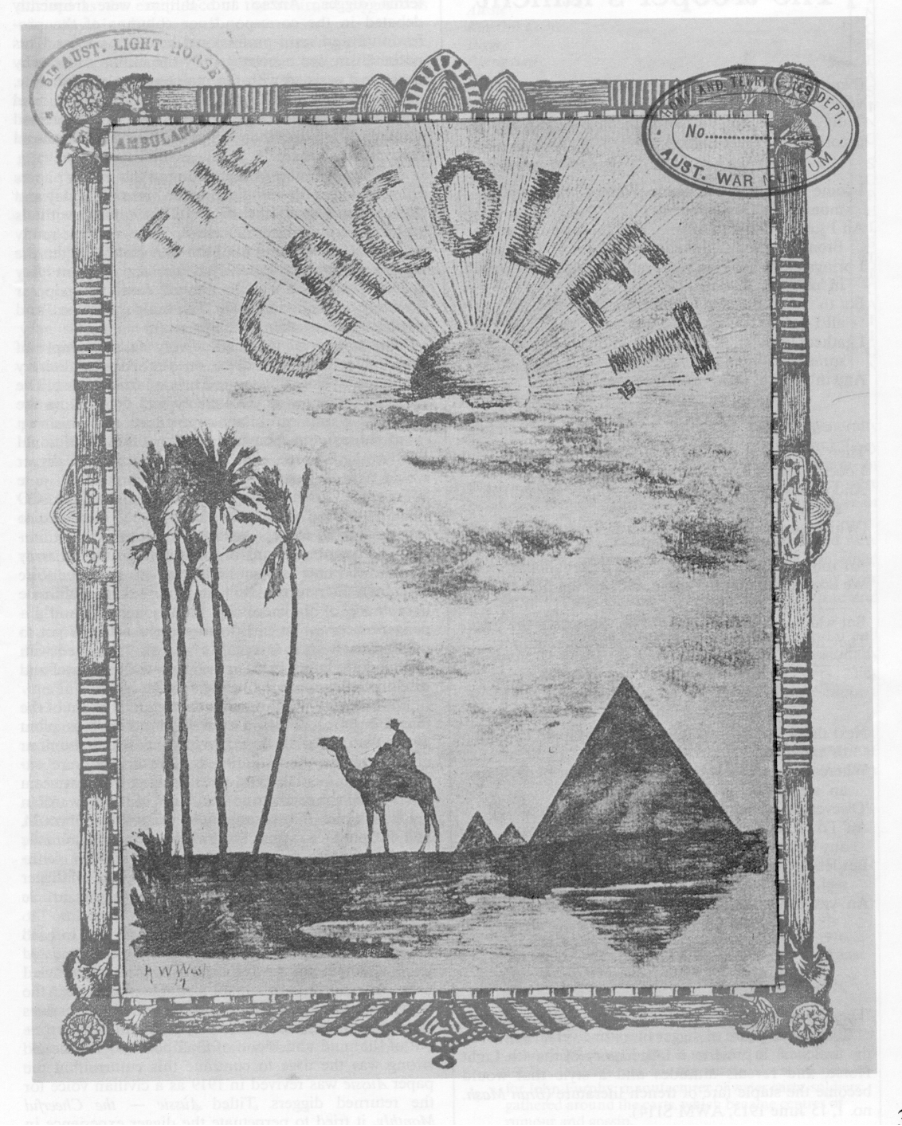
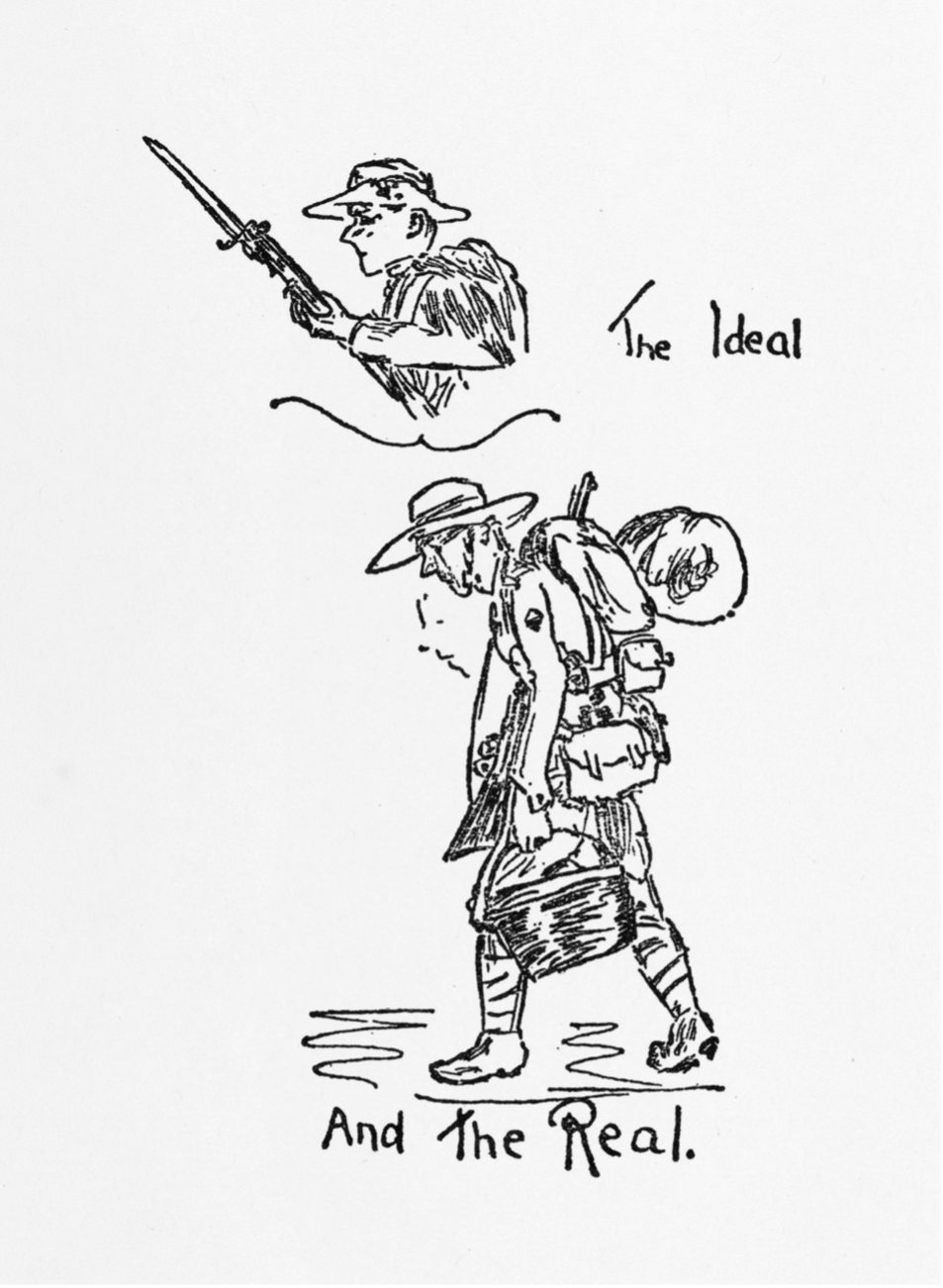
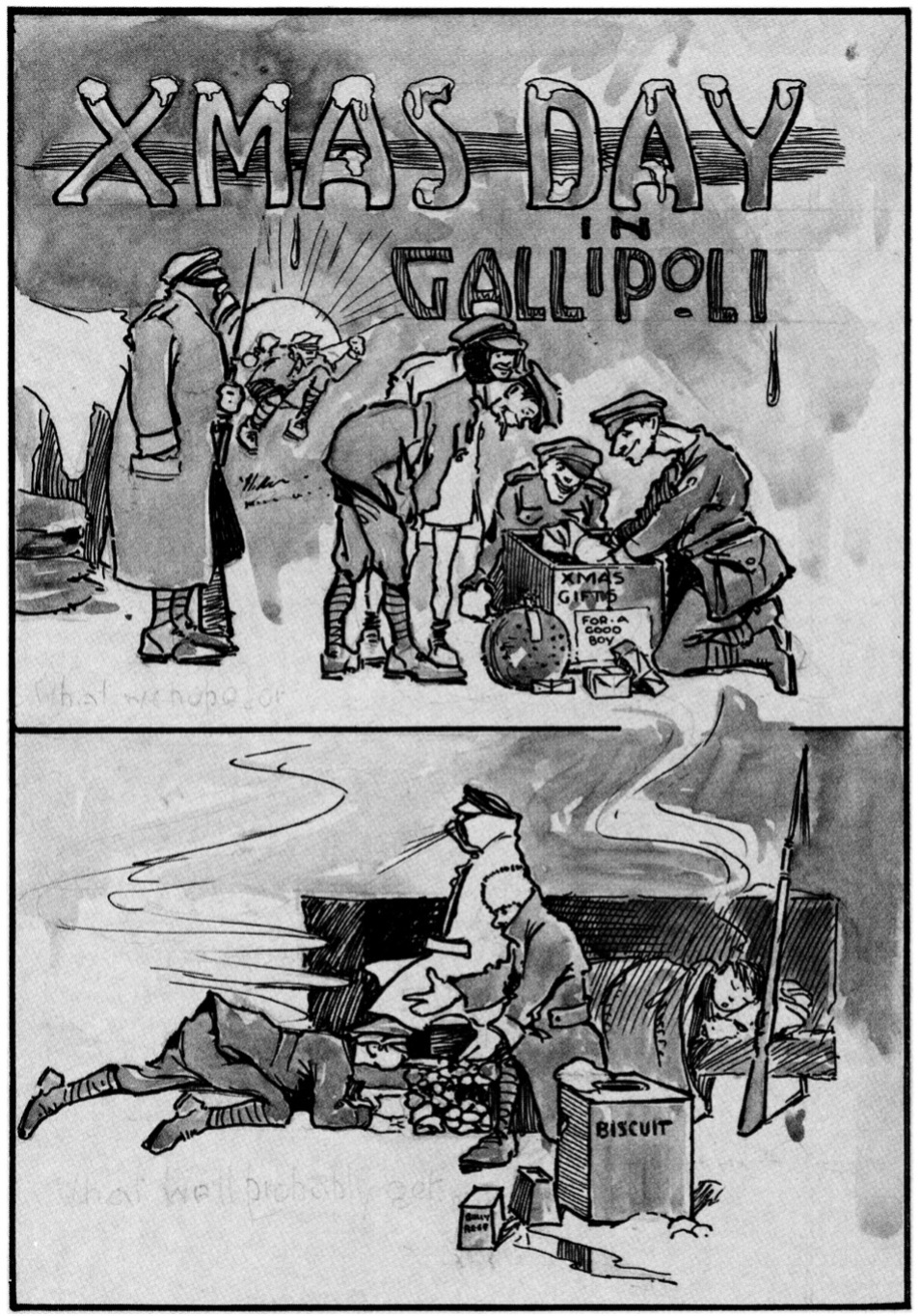
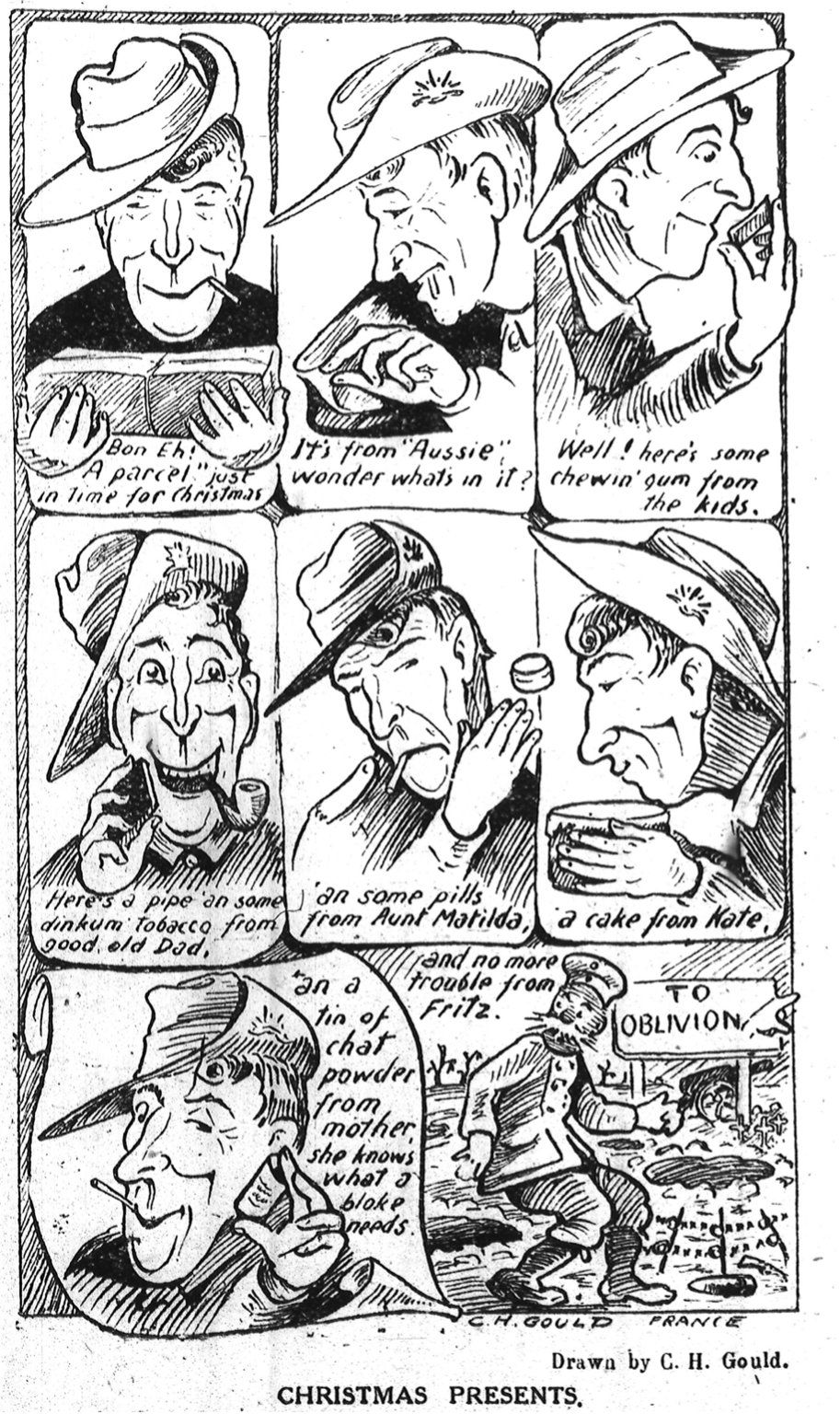
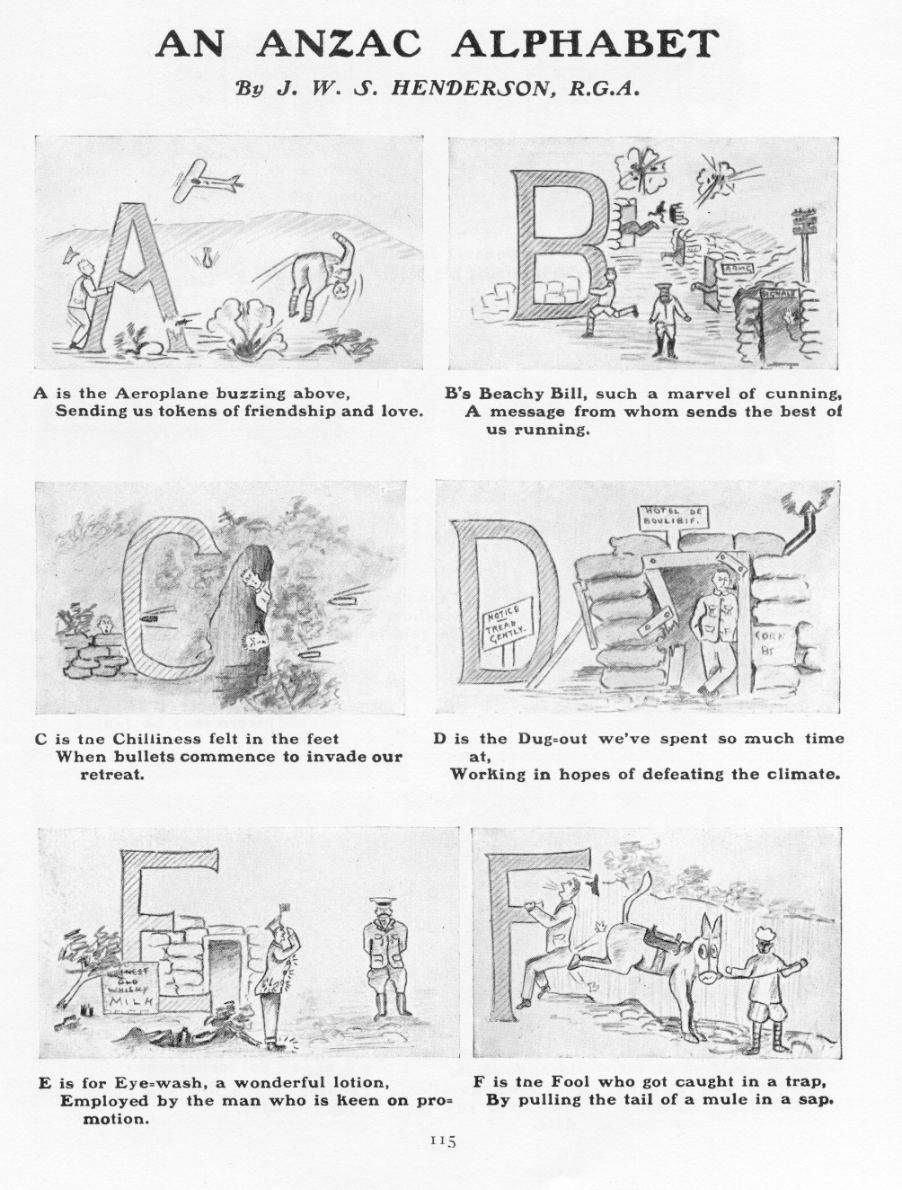
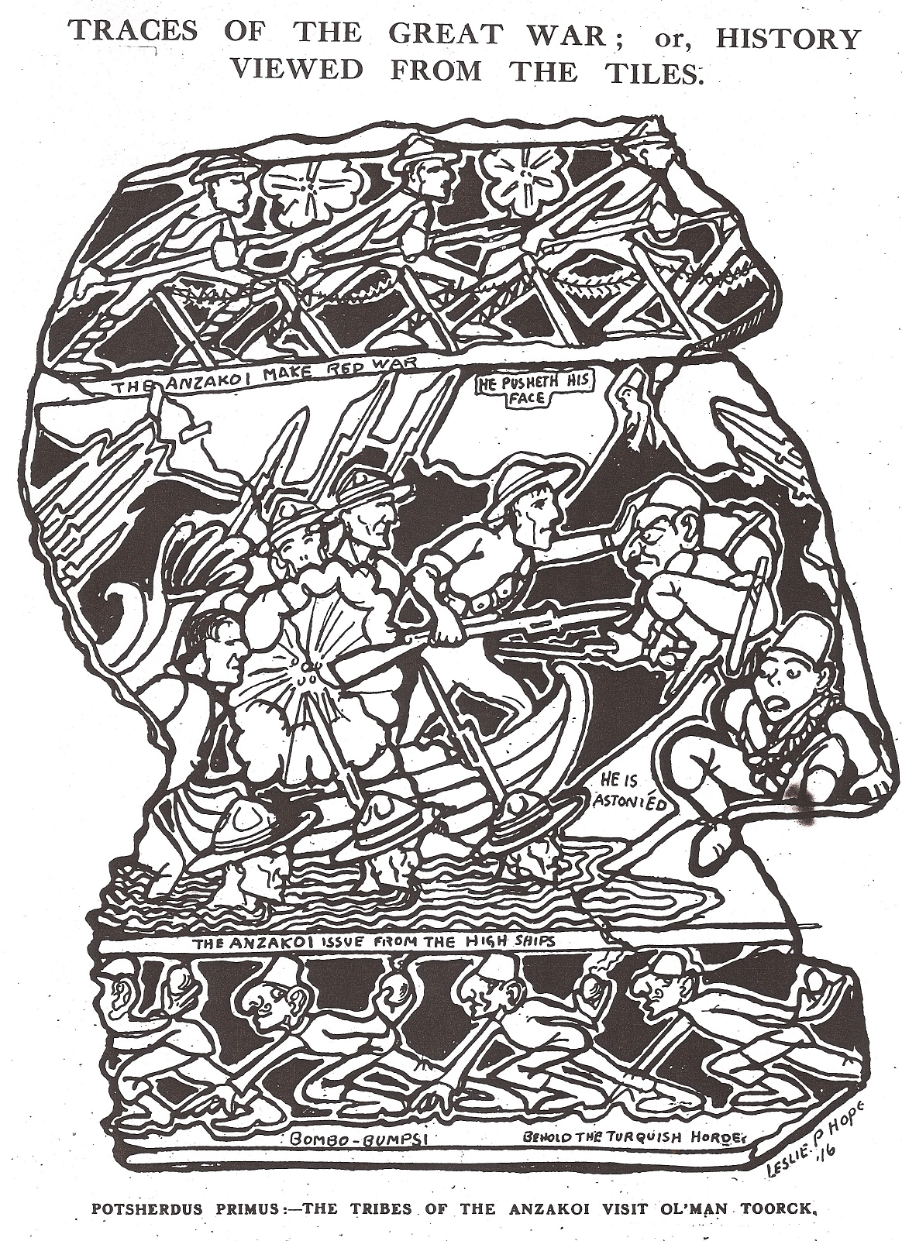
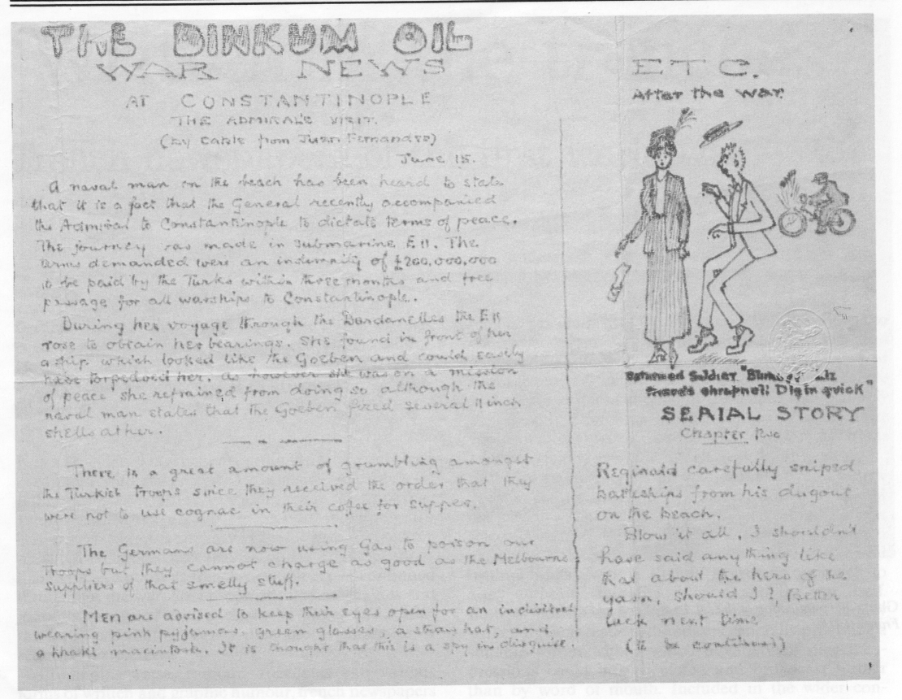
Australian and New Zealand soldiers of World War 1 created their own newspapers and magazines. Known as ‘trench journals’, this soldiers’ press were the unofficial publications of active duty soldiers, about their experiences and for other soldiers. They tended to be crude, irreverent, often critical of authority and the conduct of the war – and very funny. Other allied soldiery also had their own trench journals, as did the Germans, but these are a few of the images that appeared in the Anzac Press, beginning with a few of the covers…

THE BARE FAX – RETRO FOLK HUMOUR

Before the personal computer, the Internet and the mobile phone, there was the fax machine. There are still a few businesses that use this antiquated bit of early electronic communication – architects, medics – but for most of us the clacketing fax machine has long been replaced by emails, scans and all sorts of electronic wizardry. 

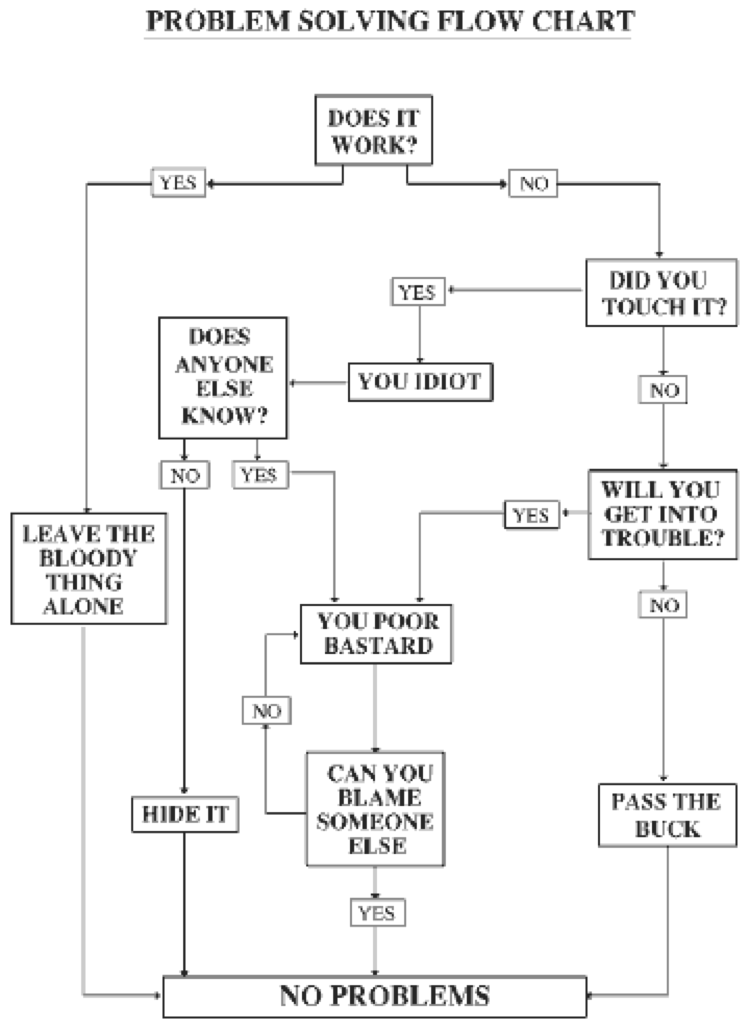
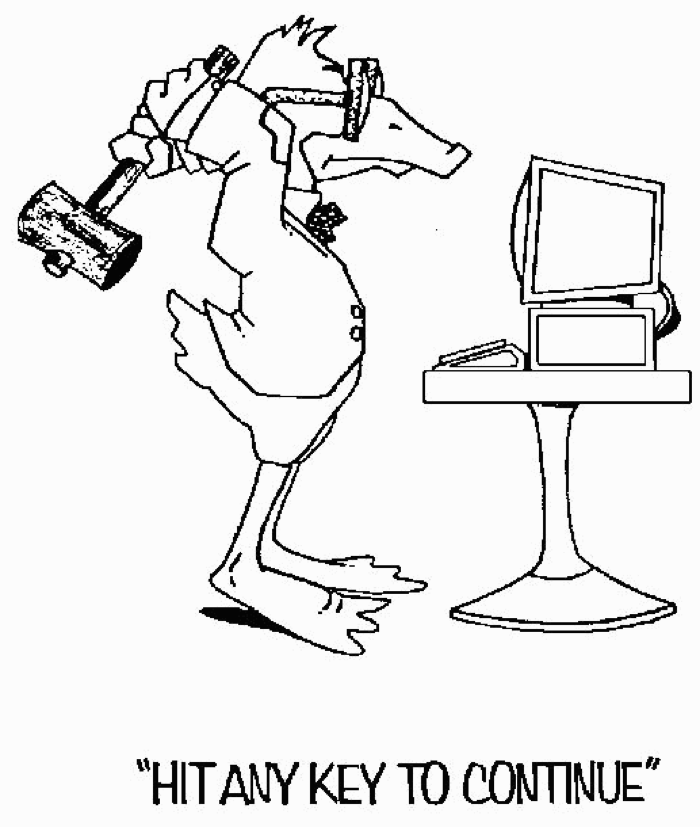
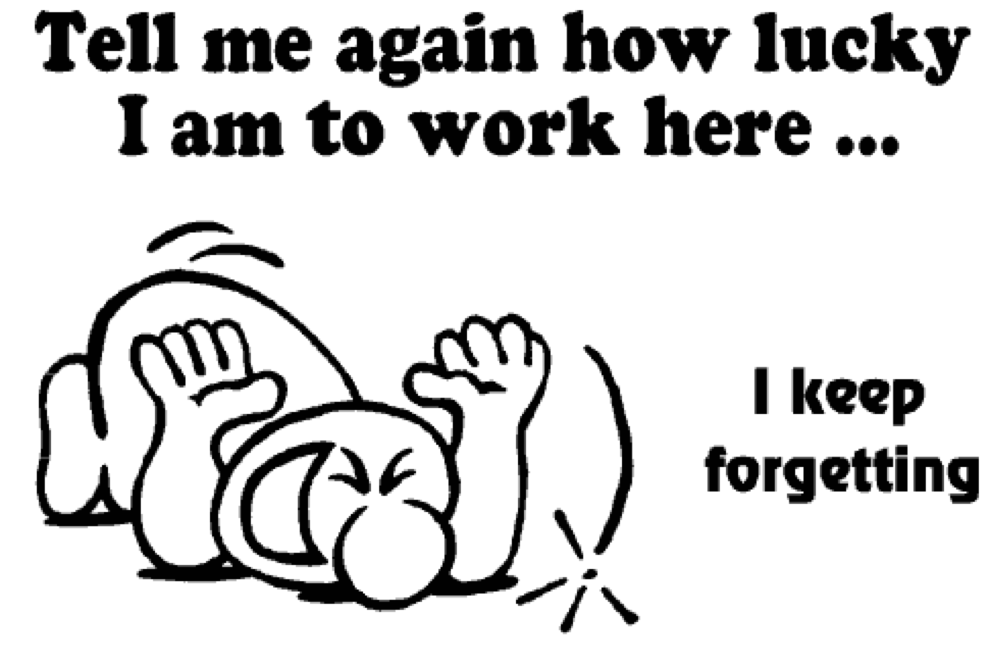
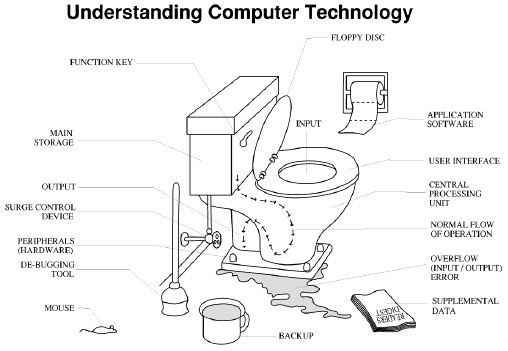
As well as official communications, the fax machine – assisted by the office photocopier – was also a favourite device for spreading workplace humour like this:

The objective of all dedicated company employees should be to thoroughly analyse all situations, anticipate all problems prior to their occurrence, have answers to all these problems, and move swiftly and efficiently to solve these problems when called upon.

HOWEVER …

When you are up to your arse in alligators it is difficult to remind yourself that your initial objective was to drain the swamp.

Or this:

THE TOES YOU STEP ON TODAY 

MAY WELL BE ATTACHED TO THE LEGS 

THAT SUPPORT THE ARSE 

YOU NEED TO KISS 

TOMORROW …

There were thousands of these globally distributed satires, cartoons, parodies and expressions of frustrations and rage. I collected a few together in my Bare Fax (1996), now considered a classic. Most of these expressions from below have been lost to time, though one or two survivors patter through the WWW from time to time. Versions of this one are still about:

Although not entirely extinct, the mid-twentieth to early 21st centuries was the golden era of the bare fax, or Xerox lore as these early memes were often known. But while fashions and technology may change, the need for a laugh or two, especially at work, remains the same. So, for those who may not have known this form of subversive humour (it was often forbidden in workplaces), or those who might have forgotten, here are a few classics of the genre. Enjoy.

Finally, one of the finest examples of the form is a parody of an ancient fable, just as relevant today as it was in the era of the bare fax and, perhaps, even in Aesop’s day:

When God made man all the parts of the body argued over who would be the BOSS.

The BRAIN explained that since he controlled all the parts of the body, he should be the BOSS.

The LEGS argued that since they took the body wherever it wanted to go, they should be the BOSS.

The STOMACH countered with the explanation that since it digested all the food, it should be BOSS.

The EYES said that without them, the body would be helpless, so they should be BOSS.

Then the ARSEHOLE applied for the job.

Then other parts of the body laughed so hard that the arsehole got mad and closed up.

After a few days the BRAIN went foggy, the LEGS got wobbly, the STOMACH got ill and the EYES got crossed and unable to see.

They all conceded defeat and made the ARSEHOLE the BOSS.

This proves that you don’t have to be a brain to be a BOSS …

JUST AN ARSEHOLE.

*

A FEW MORE FOOLS

From Andrew Lang’s Red Fairy Book

Foolishness, stupidity and ineptitude are a constant theme of folk humour. The astoundingly silly actions of the residents of certain towns, real or not, feature in many traditions. But beneath the apparent craziness of some stories, there are some serious points being made. Communities of fools, sometimes known as ‘Fooltowns’ are located in Chelm (Poland) Schilda in Germany and Lols in Denmark, among others. In England the Nottinghamshire town of Gotham is one of several settlements with an unenviable reputation of being peopled with the commonsensically challenged.

Twelve Fools Go Fishing

On a certain day there were twelve men of Gotham that went to fish, and some stood on dry land; and in going home one said to the other, ” We have ventured wonderfully in wading: I pray God that none of us come home and be drowned.” 

“Nay, marry,” said one to the other, ” let us see that; for there did twelve of us come out.” Then they told {i.e., counted) themselves, and every one told eleven. 

Said one to the other, “There is one of us drowned.” They went back to the brook where they had been fishing, and sought up and down for him that was wanting, making great lamentation. 

A courtier, coming by, asked what it was they sought for, and why they were sorrowful. ” 

Oh,” said they, “this day we went to fish in the brook twelve of us came out together, and one is drowned.” 

Said the courtier, “Tell [count] how many there be of you.” 

One of them said, ” Eleven,” and he did not tell himself.

 ” Well,” said the courtier, ” what will you give me, and 1 will find the twelfth man?” 

“Sir,” said they, “all the money we have got.” 

” Give me the money,” said the courtier, and began with the first, and gave him a stroke over the shoulders with his whip, which made him groan, saying, ” Here is one,” and so served them all, and they all groaned at the matter. When he came to the last, he paid him well, saying, ” Here is the twelfth man.” 

“God’s blessing on thy heart,” said they, “for thus finding our dear brother! ” [i]

Versions of this tale are also told in Iceland, India and further afield. Here is one from the ancient province of Hainaut in what is now Belgium:

The Six Sillies

Once upon a time there was a young girl who reached the age of thirty-seven without ever having had a lover, for she was so foolish that no one wanted to marry her.

One day, however, a young man arrived to pay his addresses to her, and her mother, beaming with joy, sent her daughter down to the cellar to draw a jug of beer. As the girl never came back the mother went down to see what had become of her, and found her sitting on the stairs, her head in her hands, while by her side the beer was running all over the floor, as she had forgotten to close the tap. ‘What are you doing there?’ asked the mother.

‘I was thinking what I shall call my first child after I am married to that young man. All the names in the calendar are taken already.’

The mother sat down on the staircase beside her daughter and said, ‘I will think about it with you, my dear.’

The father who had stayed upstairs with the young man was surprised that neither his wife nor his daughter came back, and in his turn went down to look for them. He found them both sitting on the stairs, while beside them the beer was running all over the ground from the tap, which was wide open.

‘What are you doing there? The beer is running all over the cellar.’

‘We were thinking what we should call the children that our daughter will have when she marries that young man. All the names in the calendar are taken already.’

‘Well,’ said the father, ‘I will think about it with you.’

As neither mother nor daughter nor father came upstairs again, the lover grew impatient, and went down into the cellar to see what they could all be doing. He found them all three sitting on the stairs, while beside them the beer was running all over the ground from the tap, which was wide open.

‘What in the world are you all doing that you don’t come upstairs, and that you let the beer run all over the cellar?’

‘Yes, I know, my boy,’ said the father, ‘but if you marry our daughter what shall you call your children? All the names in the calendar are taken.’

When the young man heard this answer he replied:

‘Well! good-bye, I am going away. When I shall have found three people sillier than you I will come back and marry your daughter.’

So he continued his journey, and after walking a long way he reached an orchard. Then he saw some people knocking down walnuts, and trying to throw them into a cart with a fork.

‘What are you doing there?’ he asked.

‘We want to load the cart with our walnuts, but we can’t manage to do it.’

The lover advised them to get a basket and to put the walnuts in it, so as to turn them into the cart.

‘Well,’ he said to himself, ‘I have already found someone more foolish than those three.’

So he went on his way, and by-and-by he came to a wood. There he saw a man who wanted to give his pig some acorns to eat, and was trying with all his might to make him climb up the oak-tree.

‘What are you doing, my good man?’ asked he.

‘I want to make my pig eat some acorns, and I can’t get him to go up the tree.’

‘If you were to climb up and shake down the acorns the pig would pick them up.’

‘Oh, I never thought of that.’

‘Here is the second idiot,’ said the lover to himself.

Some way farther along the road he came upon a man who had never worn any trousers, and who was trying to put on a pair. So he had fastened them to a tree and was jumping with all his might up in the air so that he should hit the two legs of the trousers as he came down.

‘It would be much better if you held them in your hands,’ said the young man, ‘and then put your legs one after the other in each hole.’

‘Dear me to be sure! You are sharper than I am, for that never occurred to me.’

And having found three people more foolish than his bride, or her father or her mother, the lover went back to marry the young lady.

And in course of time they had a great many children.[ii]

See also earlier post on numskulls https://wordpress.com/post/gristlyhistory.blog/478


[i] W. A. Clouston, The Book of Noodles: Stories of Simpletons; or, Fools and Their Follies, Elliot Stock, London 1888, pp. 28-29. 

[ii] M. Lemoine. La Tradition. No, 34, as cited by Andrew Lang, The Red Fairy Book, 1890.
NUMSKULLS, NINCOMPOOPS AND THE AGE OF FOOLS

SHip of fools Pieter_van_der_Heyden_Die_blau_Schuyte_1559

Ship of Fools – Pieter van der Heyden  (fl. 1551–1572)

In our current era of globalised stupidity it seems fitting to take a look at the folklore of fools. Pretty much every culture has them and the same tales of their stupidity often turn up in different traditions. The Turkish Hadji, the Italian Bastienelo, the Cambodian Kong, the Chinese Wang and the Arabic Djuna typify this class of heroism, which seems to be largely restricted to males. Hmm.

Numskulls, as these characters are often known, characteristically perform foolish tasks through misunderstanding a verbal communication or taking one too literally. The English Lazy Jack simply does whatever he is told, regardless of the circumstances. The Drongo is the Australian nincompoop, a heroically stupid figure who interprets whatever he is told literally. When the boss tells him to ‘hang a new gate’, the Drongo takes the gate out to the nearest tree and hangs it in a noose.

Jean Sot is a character in French and French diaspora lore. In the Louisiana French versions Jean is a fool who usually misunderstands instructions and shoots the cow instead of milking it. Or he may take what he is told literally and throw a dog named Parsley into the broth instead of the herb parsley, as his mother has requested. On other occasions Jean may remove and take with him a door he has been asked to guard and sometimes makes a fortune when he accidentally frightens off the robbers who have stolen it.

Some cultures have so many fools they have to keep them all in areas or towns designated for the purpose. In ancient Greece those who lived in the province of Boetia were treated as hopeless hayseeds and hicks. The English town of Gotham in Nottinghamshire has been the focus of numskull tales since at least the fifteenth century. One story told of the Wise men of Gotham is that twelve of them went fishing in a boat but returned in a state of great despair believing that one of them had drowned. They knew this because they could each only count eleven fishermen: each forgot to count himself.

Other fooltowns include Chelm or Helm in Poland, where even the intellectually-challenged Berel the Beadle seems like a mental giant; Altstätten in Switzerland, and Emesa in what used to be Persia. Other towns of clowns are found in Pakistan (Buneyr) and Sri Lanka, (Kadambawa), as well as in Japan, Finland and elsewhere.

In German tradition, the inhabitants of Schwarzenborn and Mutschingen are said to be foolish, as are those of the mythic German town of Schild. Here, the people were so stupid they built a council house without windows but were unable to understand why it was so dark inside. Eventually they realised that no light was able to enter the building, but instead of putting windows in, the people of Schild tried to carry beams of sunshine into the building. This did not improve the lighting and so they next took the advice of a passer-by to take the roof off, richly rewarding him for his assistance. This was fine and the people of Schild were very happy – until it rained. They had to replace the roof and consider what they might do next.

Groping around in the darkness of the council house, one of the fools noticed a small beam of daylight lancing in through a crack between roof and wall. After looking at the light for a while and giving the matter a good deal of thought, he suggested to the others that it might be possible to brighten the building by adding some windows. After considering this suggestion for quite a long while there was general agreement that it just might be worth a try.

Many of these tales are more or less affectionate and the characters in them often much loved. What is there to like about stupidity? Perhaps folk fools are reflections of ourselves. With rare exceptions, few of us are actually fools, we just sometimes do foolish things. It’s all part of being human and if we can find a way to weave an enjoyable and witty yarn around foolish deeds of trivial as well as gargantuan dimensions, we will, just as we have done for thousands of years.

What a pity that foolishness seems to have now broken out of folkloric fantasy and into reality.

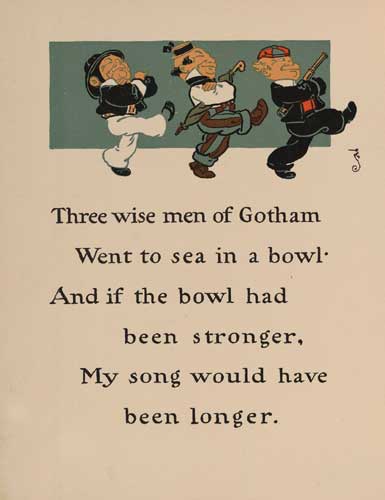
Wise_Men_of_Gotham_1_-_WW_Denslow_-_Project_Gutenberg_etext_18546

William Wallace Denslow’s illustrations for Three Wise Men of Gotham, from a 1901 edition of Mother Goose