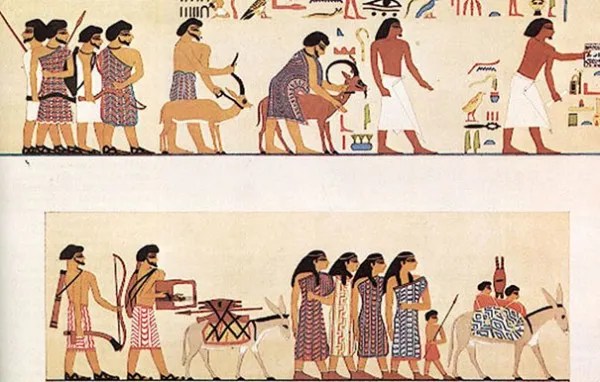
Egyptian tomb painting of nomads from about 1900BC. Tomb of Khnumhotep at Beni Hassan 12th Dynasty.
One of the world’s earliest known stories is a romance. A three and a half thousand-year-old fantasy of forbidden love between a high-born woman and a lowly outcast, the Sumerian tale of Adjuar and Martu pre-figures narratives like Romeo and Juliet and West Side Story, among many others.
Adjuar and Martu
Martu is a young nomad, from a people known as the Martu, who are considered barbaric and untouchable, let alone marriageable. But Martu needs a wife to keep his mother happy but is unable to find one among his own people.
On a feast day he goes into the city of Inab where he meets the beautiful Adjar-kidug, daughter of the city god (or ruler). They fall in love and Martu distinguishes himself in the feast games and sports by winning all the wrestling bouts. Asked what he wants for a prize, he rejects gold and jewels in preference for the hand of Adjar-kidug.
Her father sets him some tasks which, if completed, will guarantee his daughter’s hand. Martu does what he is asked and goes far beyond, gifting gold, fine cloths, silver jugs to everyone in the city, from the elders down to the slaves. Still, he received no permission to proceed even though Adjar-kidug is still deeply in love with him, as proven by her reply to a friend who warns her against marrying a barbarian:
Listen, the Martus, their hands are destructive and their features are those of monkeys; he is one who eats what Nanna forbids and does not show reverence. They never stop roaming about ……, they are an abomination to the gods’ dwellings. Their ideas are confused; they cause only disturbance. He is clothed in sack-leather ……, lives in a tent, exposed to wind and rain, and cannot properly recite prayers. He lives in the mountains and ignores the places of gods, digs up truffles in the foothills, does not know how to bend the knee, and eats raw flesh. He has no house during his life, and when he dies he will not be carried to a burial-place. My girlfriend, why would you marry Martu?”
But Adjar has been impressed by Martu’s efforts to be like her people and the efforts he has made to prove himself, rejecting wealth in preference for her love. She replies ‘with the certainty of a woman who knows her heart, her mind and her soul: “I will marry Martu!’
The story ends with the statement that ‘Adjar had seen the raw diamond in the nomad made civilised by her love’.[i]
We are not told whether the two lovers do marry or not, but their ancient story is as relevant today as it was over three millennia ago.
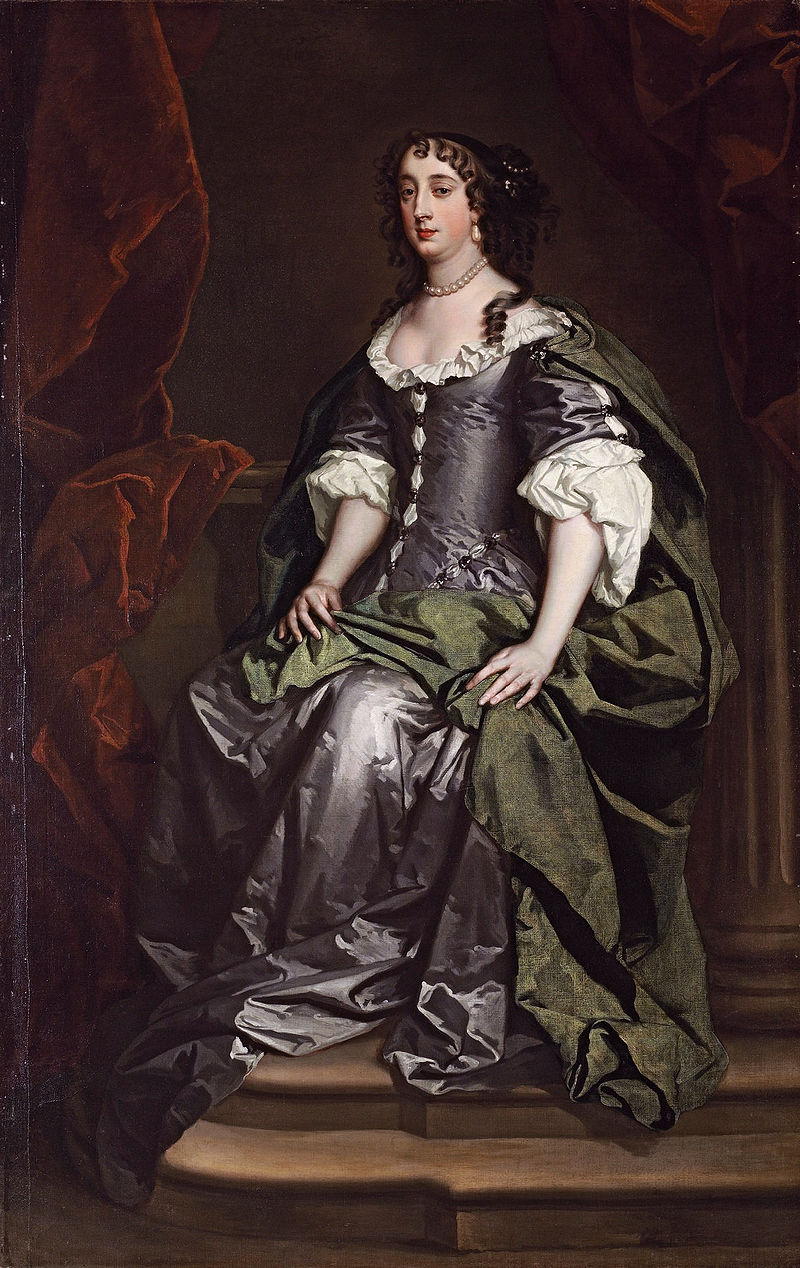
Portrait of Barbara Villiers, Countess of Castlemaine, 1st Duchess of Cleveland (1640-1709)
This satirical petition was supposedly written by Elizabeth Cresswell, Damaris Page and other brothel keeps to Lady Castlemaine (Barbara Villiers), the mistress of Charles II. March 1668. It treats Lady Castlemaine as a high-class prostitute, and so, as one of their own. The petition appeared in the iimediate aftermath of the ‘Bawdy House Riots’ of Shrove Tuesday, 1668. Apprentices and adult males attacked London brothels and prostitutes, angered that they could not afford their services. The petition suggests that Lady Castlemaine should by rights compensate the whores and their madams from public funds.
Of course, this was all highly inflammatory and caused major ructions in the notoriously licentious and corrupt court and the establishment in general. The petition was a satirical act of underclass protest by an unknown hand/s and played brilliantly into the political, religious and social tensions of that time and place. It also set off a chain reaction of similar scurrilous and parodic satires against the monarchy and its venal support structures.
***
The Poor-Whores Petition to the most Splendid, Illustrious and Eminent Lady of Pleasure, the Countess of Castlmaine etc. The Honorable Petition of the Undone Company of poor distressed Whores, Bawds, Pimps, and Panders, etc. Humbly sheweth,
That your petitioners having been for a long time connived at and countenanced in the practice of our venereal pleasures (a trade wherein your ladyship hath great experience, and for your diligence therein have arrived to high and eminent advancement for these late years), but now we, through the rage and malice of a company of London apprentices and other malicious and very bad persons, being mechanic, rude and ill-bred boys, have sustained the loss of our habitations, trades and employments; and many of us that have had foul play in the court and sports of Venus, being full of ulcers, but were in a hopeful way of recovery, have our cures retarded through this barbarous and un-Venus like usage, and all of us exposed to very hard shifts, being made uncapable of giving that entertainment, as the honor and dignity of such persons as frequented our houses doth call for, as your ladyship by your own practice hath experimented the knowledge of.
We therefore being moved by the imminent danger now impending and the great sense of our present suffering, do implore your Honor to improve your interest, which (all know) is great that some speedy relief may be afforded us, to prevent our utter ruin and undoing. And that such a sure course may be taken with the ringleaders and abettors of these evil disposed persons that a stop may be put unto them before they come to your honor’s palace and bring contempt upon your worshiping of Venus, the great goddess whom we all adore.
Wherefore in our devotion (your honor being eminently concerned with us) we humbly judge it mete that you procure the French, Irish and English Hectors, being our approved friends, to be our guard, aid and protectors, and to free us from these ill home-bred slaves that threaten your destruction as well as ours that so your ladyship may escape our present calamity. Else we know not how soon it may be your honor’s own case: for should your eminency but once fall into these rough hands, you may expect no more favor than they have shown unto us poor inferior whores.
Will your eminency therefore be pleased to consider how highly it concerns you to restore us to our former practice with honor, freedom and safety; for which we shall oblige ourselves by as many oaths as you please, to contribute to your ladyship (as our sisters do at Rome and Venice to His Holiness the Pope) that we may have your protection in the exercise of all our Venereal pleasures. And we shall endeavor, as our bounden duty, the promoting of your great name and the preservation of your honor, safety and interest, with the hazard of our lives, fortunes and honesty.
And your petitioners shall (as by custom bound) evermore pray, etc.
Signed by us, Madam Cresswell and Damaris Page, in the behalf of our sisters and fellow sufferers (in this day of our calamity) in Dog and Bitch Yard, Lukenor’s Lane, Saffron Hill, Moorfields, Chiswell Street, Rosemary Lane, Nightingale Lane, Ratcliffe Highway, Well Close, East Smithfield etc., this present 25th cay of March 1668.
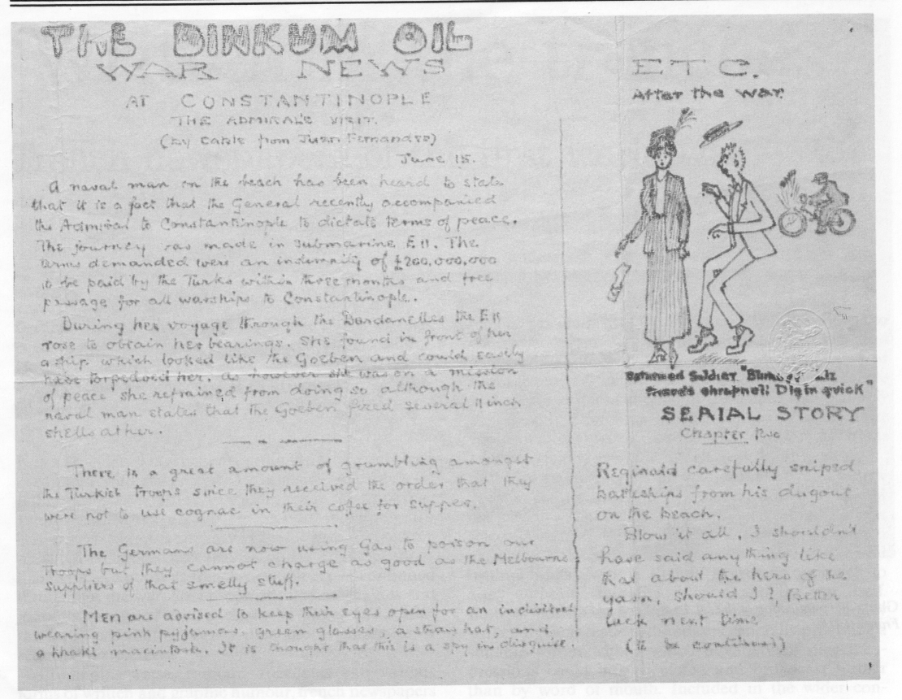
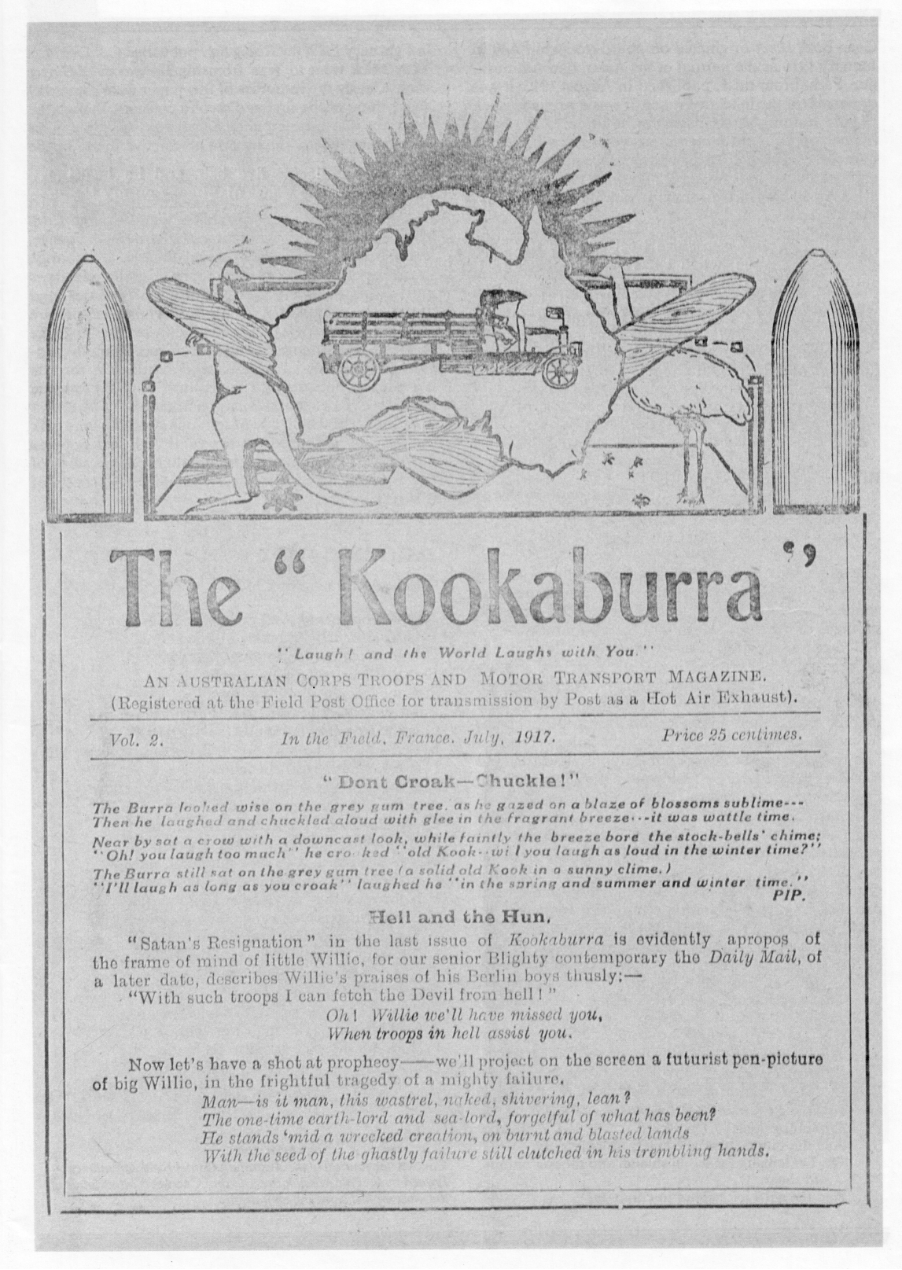
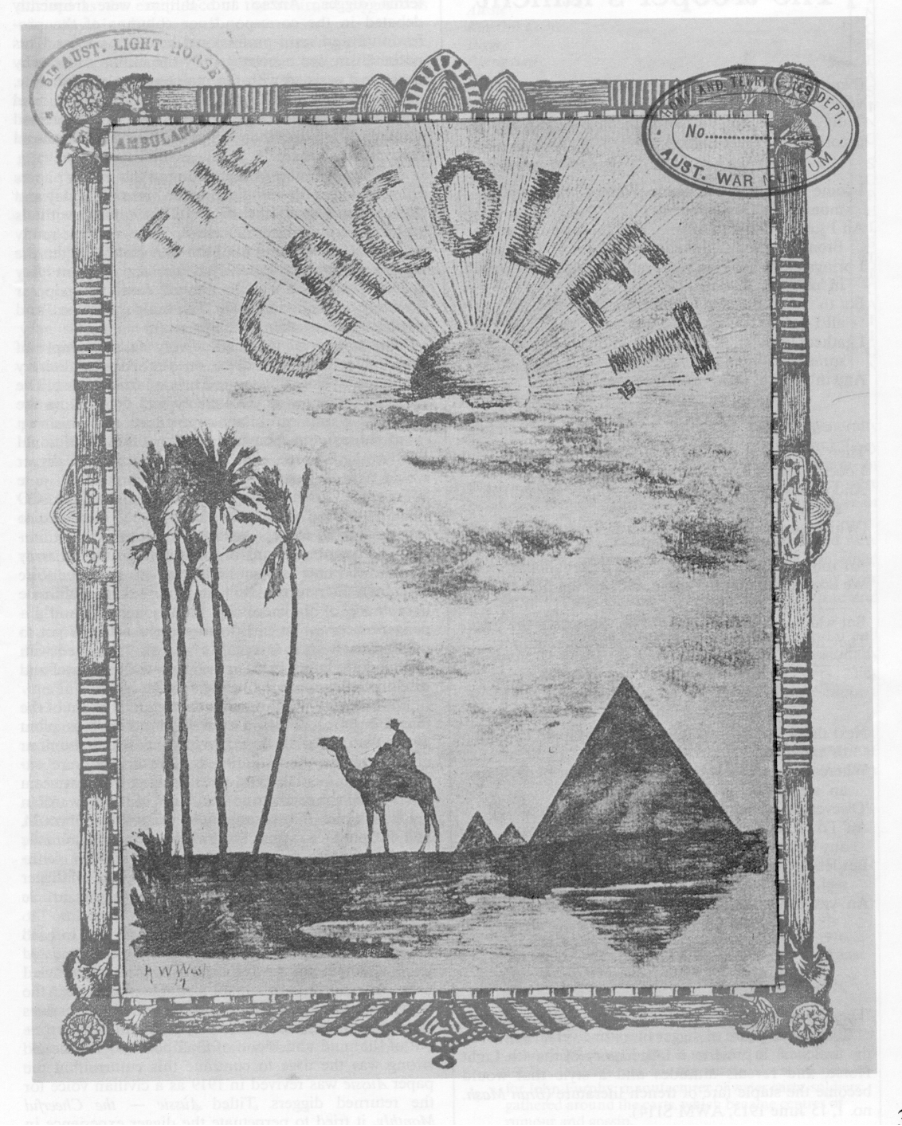
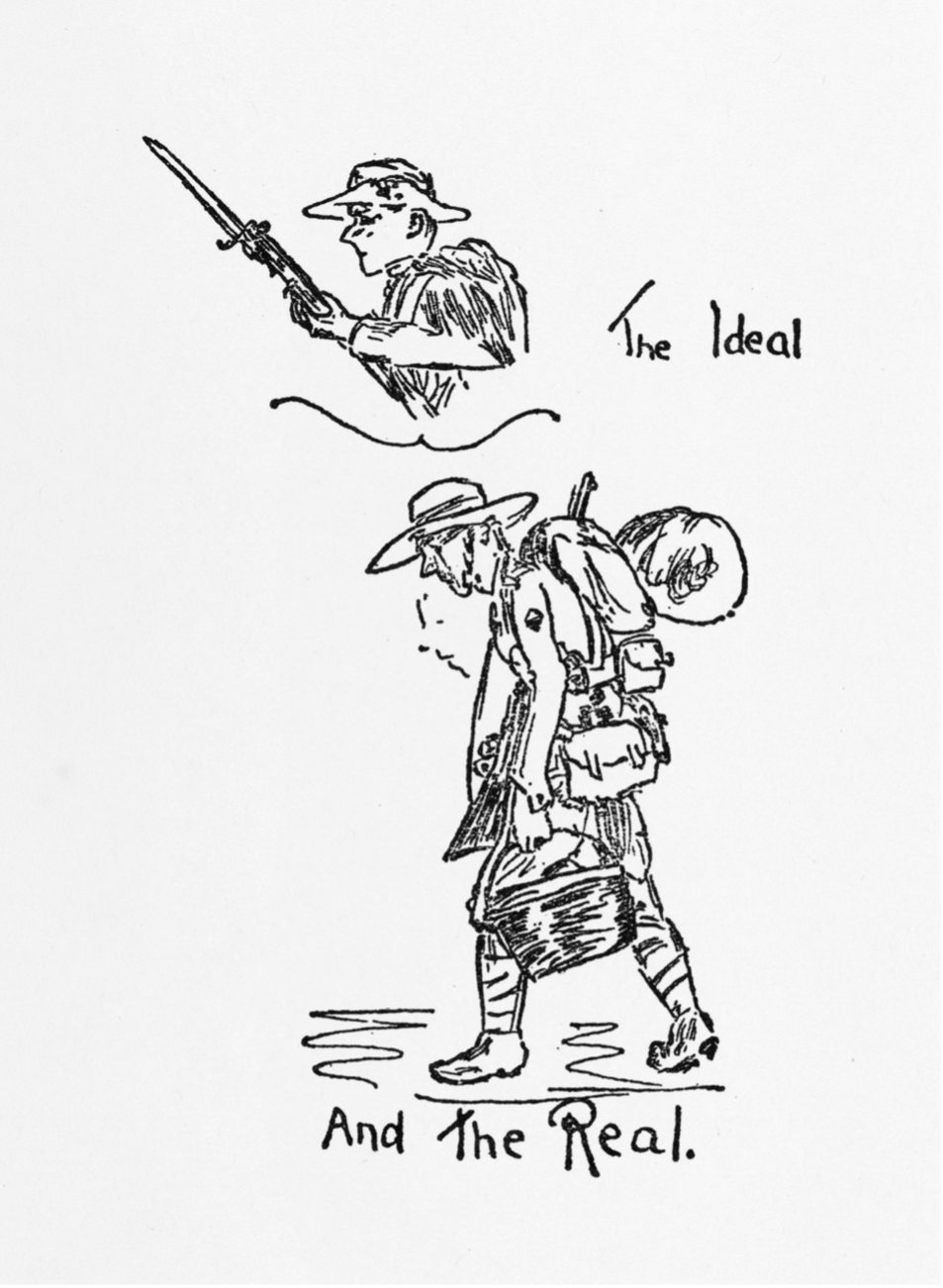
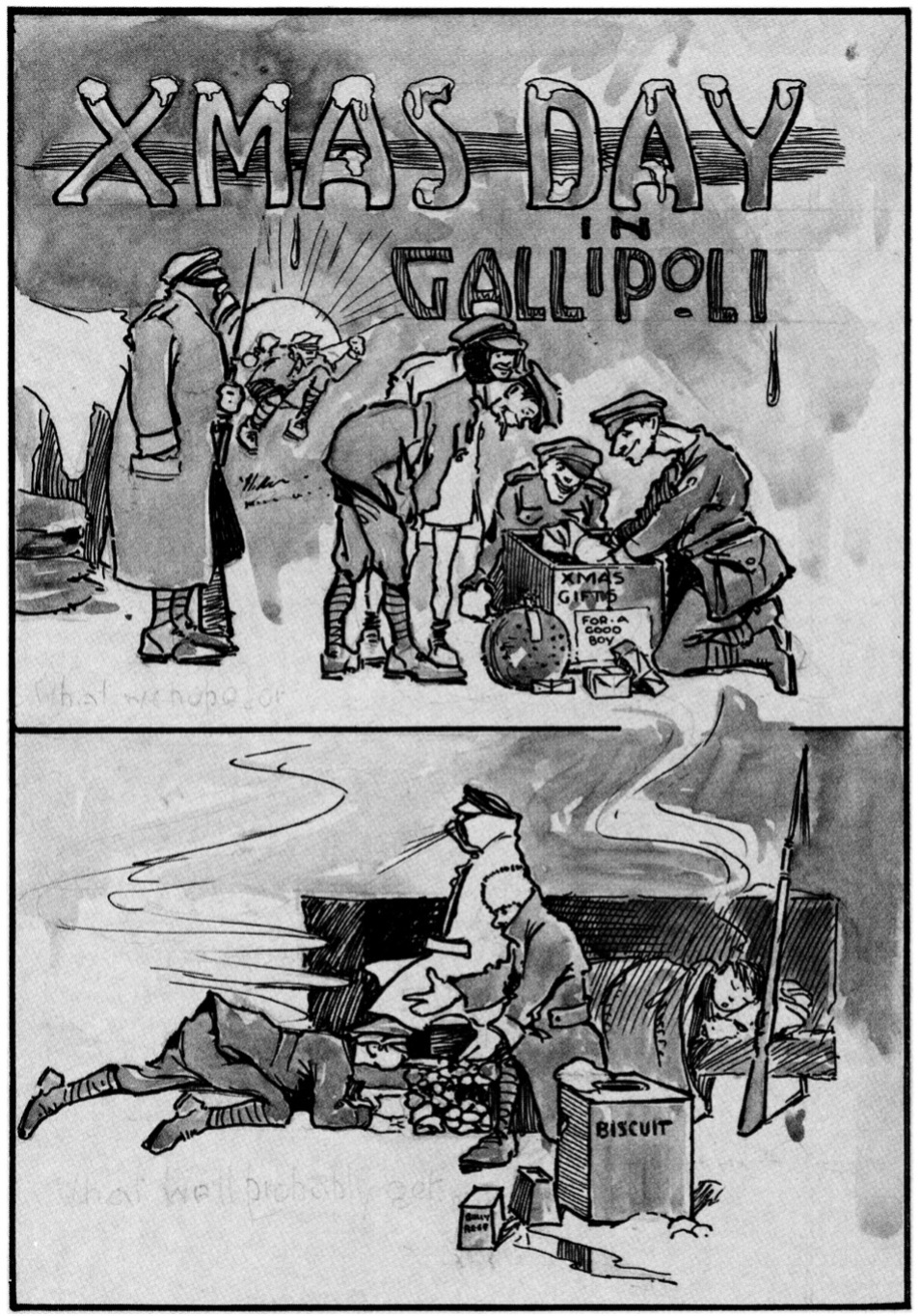
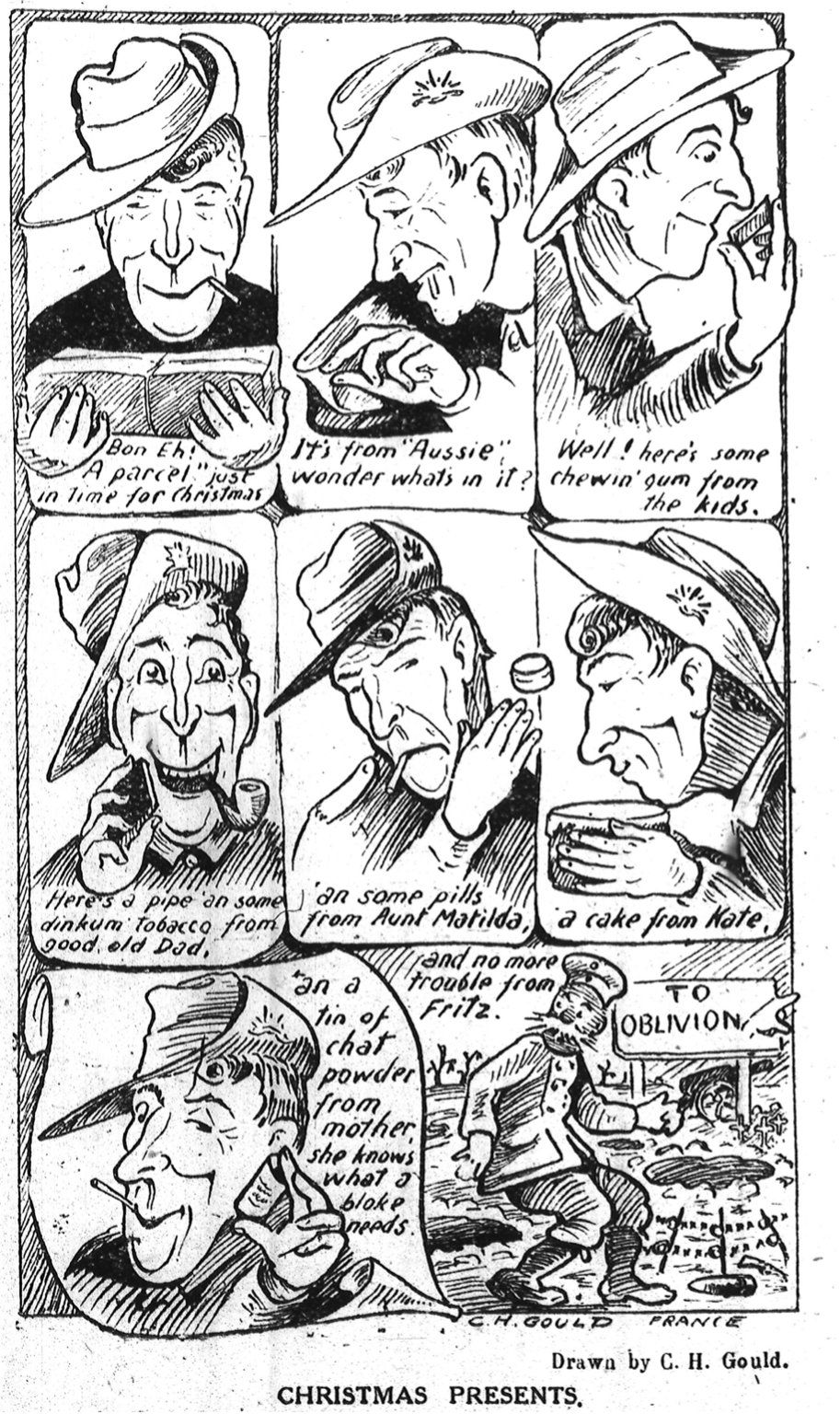
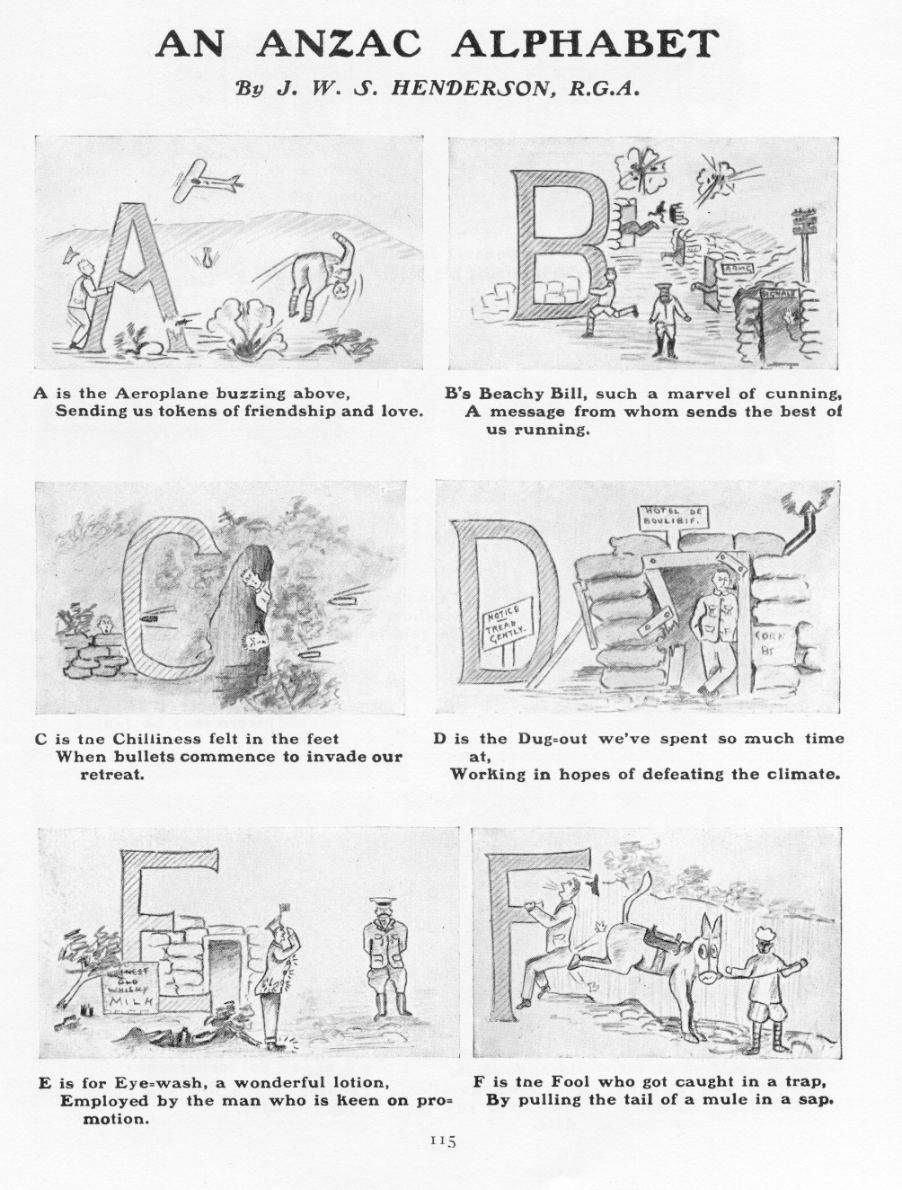
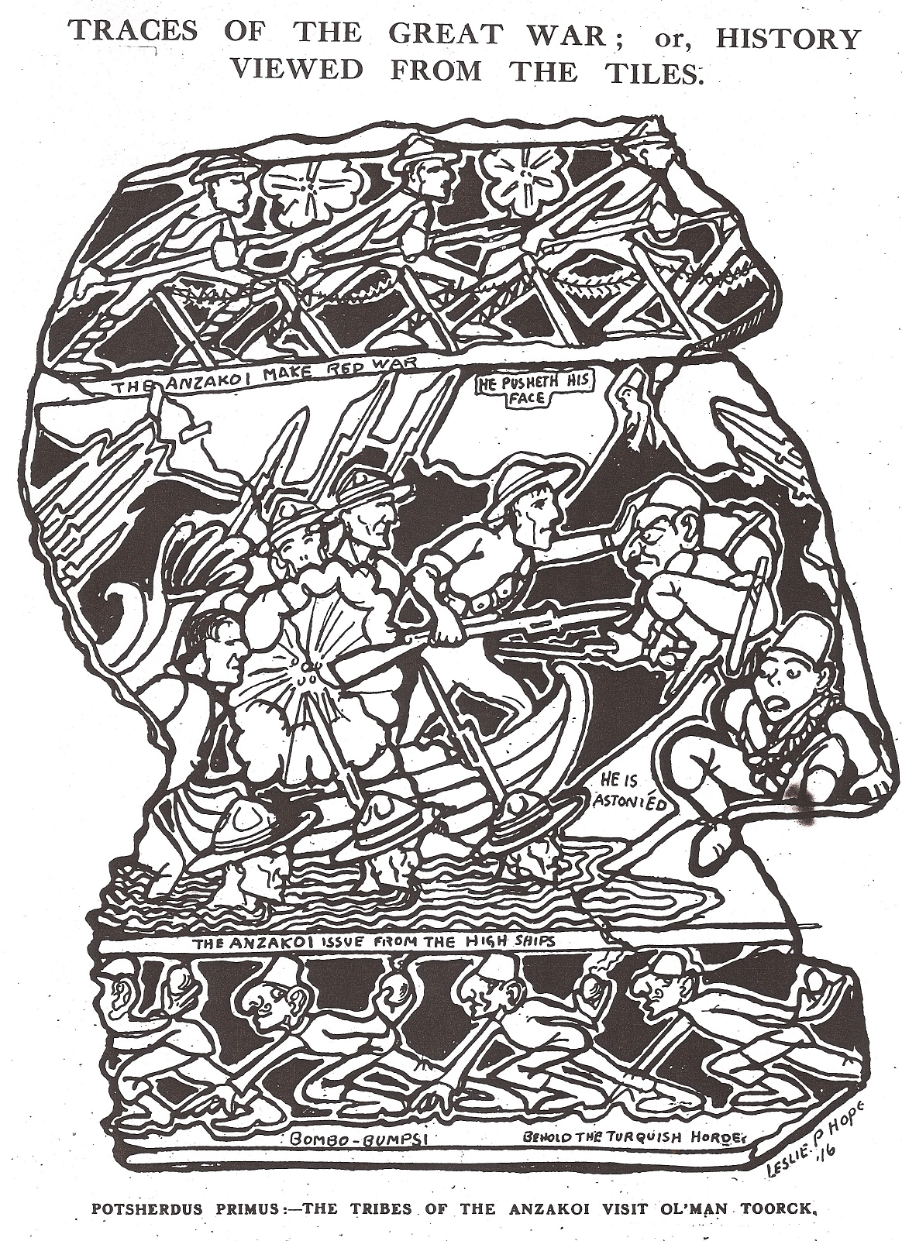
Australian and New Zealand soldiers of World War 1 created their own newspapers and magazines. Known as ‘trench journals’, this soldiers’ press were the unofficial publications of active duty soldiers, about their experiences and for other soldiers. They tended to be crude, irreverent, often critical of authority and the conduct of the war – and very funny. Other allied soldiery also had their own trench journals, as did the Germans, but these are a few of the images that appeared in the Anzac Press, beginning with a few of the covers…
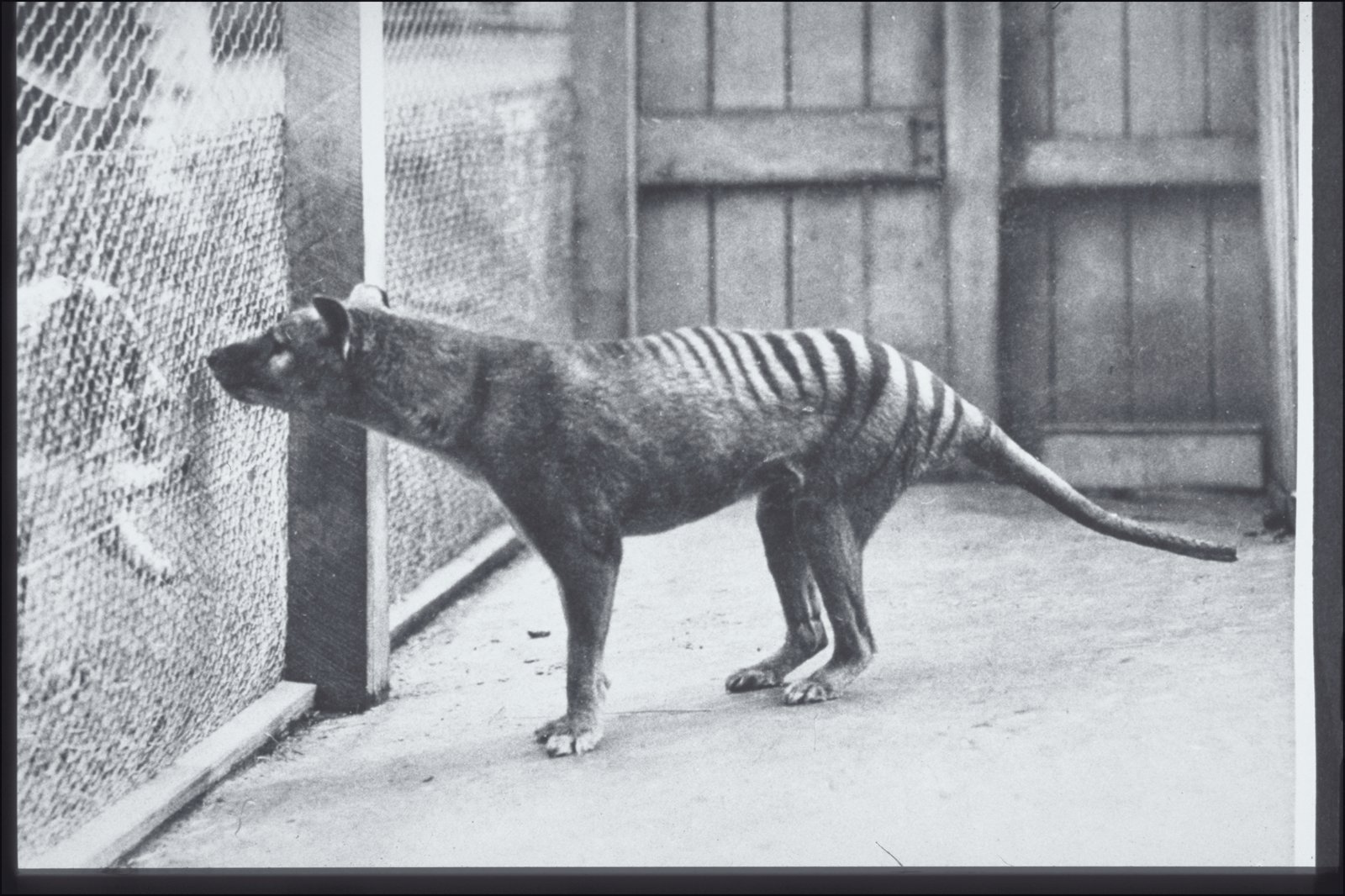
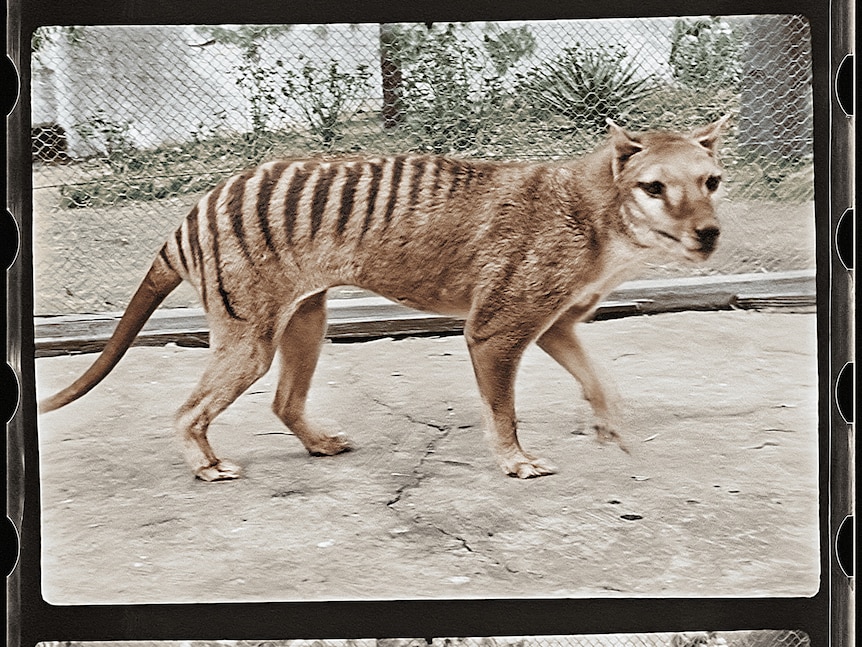
Postcard of ‘Tasmanian Marsupial Wolf’ – the Thylacine. Hobart Zoo c. 1928 (G.P. Whitley Papers Australian Museum Archives). AMS139/4/20/1. Image: Harry Burrell.
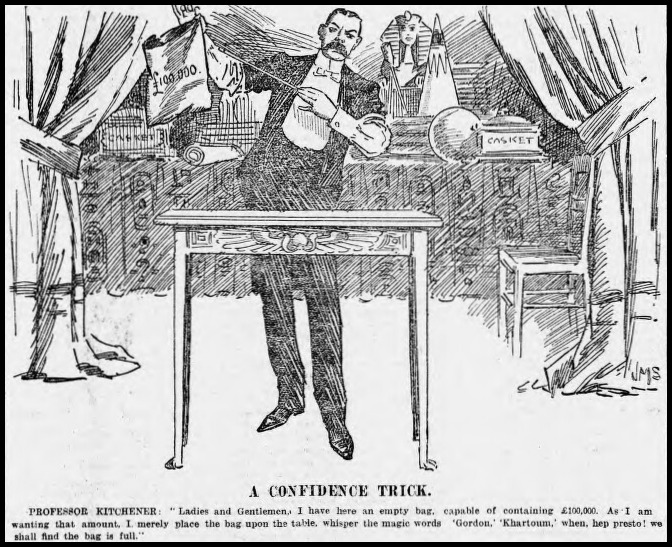
As the story goes, Detective Chief Inspector Harry (Henry) Mann of the Western Australian police was wined and dined at London’s swanky Cafe Monaco in the early years of the twentieth century. His genial hosts were from a group of Australian con men with records longer than the arms of everyone at the table. The cafe was their London hangout and distribution centre for the proceeds of crime. Cop and crims were obviously well known to each other and this strange moment says a lot about the relationship between the police and the Down Under dupers who dominated Britain’s confidence games for decades.
In the years directly before the Great War of 1914–18, right through to the end of World War II in 1945, there were more Australian con men on British police registers than those of any other nationality—by a long shot.[i] They were recognised as highly skilled exponents of their nefarious schemes and were very successful. When caught, many had what amounted to small fortunes in their bank accounts and stuffed into the upholstery of their expensive furniture and cars—and they were just the stashes the police found. No self-respecting trickster would be without a secret hidey-hole or two for the inevitable emergencies. Bags of cash were essential to set up the bigger cons and to fund the lavish lifestyles needed to impress rich marks.
And there were plenty of them. Especially after World War I, Britain, Europe and the United States were awash with money flowing through newly opened international financial channels and connections. Business deals and schemes were being rolled out around the world in oil, minerals and a hundred other lucrative enterprises. A lot of people made a lot of money—and often spent it lavishly and ostentatiously. Perfect pigeons for gangs like London’s Hanley Mob, among others working the same rackets.
Sometimes the wealthy individuals suckered in were themselves con men of a kind, wheeling and dealing in the white-collar areas of finance and investment. But they were rarely found out and, if they were, could usually buy their way out of trouble. Eventually, their activities would play a part in the great stock market crash of 1929 and the deep depression that followed. But, for now, it was not only an era of excess and indulgence, it was also the golden age of the con.
The fix was in.
Just how and why Australians became the main exponents of the con in Britain, and sometimes Europe, is a mystery. Operators like Bludger Bill Warren, Dictionary Harry (Harry Harrison) and Dave the Liar (David John Lewis) excelled in new and clever versions of classic cons. These included the infallible betting system (and its variant known as ‘the brass’), ‘the pay-off’ (and an adaptation known as ‘the rag’), and other scams large and small also perfected by the cons from Oz. In one celebrated operation, Bludger Bill and some accomplices took down the immensely wealthy English shipping magnate, Sir Walter Cockerline, for more than £20,000—just under $2 million—in 1923.
At the time for—let’s say—professional reasons, Bill was sojourning on the continent. He’d fleeced a businessman in Portugal of £15,000 and found it necessary to fade away, turning up on the French Riviera. Here, the normally foul-mouthed Bill with his strong Australian accent became the owner of a South African diamond mine or three. Employing his practised skills, Bill checked into the same expensive hotel as Sir Walter, and soon made a good friend of him. Only a day or two later, Bill introduced Sir Walter to an acquaintance who was, quite coincidentally, a guest at the same hotel. The acquaintance was an American oil king.
After getting to know each other a little more, the convivial trio visited Monte Carlo for some wagering at the tables. As they refreshed themselves with a coffee, the oil king noticed a man he described as ‘the biggest bookmaker in the United States’. The bookmaker, whose betting limit was said to be ‘the blue sky’, was invited to the table and was soon a member of the affable group.
It wasn’t long before the conversation was about betting on the gee-gees. Bill and the oil king placed big bets through the bookmaker and invited Sir Walter to join the fun. By day’s end, the bookmaker was pleased to tell the informal syndicate that they had netted £170,000 in winnings.
It was time for the sting.
When settlement of the bets was due, Bill, very annoyed, informed Sir Walter that the bookmaker’s club through which he had laid their bets would only pay up when the punters proved they could show they were men of substance. ‘But’, said Bill, flashing a large wad of cash, ‘I’ll put up the “cover”’, as it was called. Being gentlemen, of course, the others couldn’t allow Bill to pony up the full amount of their joint obligation so they each wrote personal cheques for £25,000.
Sir Walter then had to return to England before the group’s winnings were drawn. Soon after he arrived, he received a wire from France. Bill was embarrassed, naturally, but he’d had a spot of bad luck and was temporarily short of £12,000 of his share of the cover. Would Sir Walter possibly be so good as to advance him that sum until the winnings were available? Completely conned, Sir Walter obligingly wired the money to Bill and never heard from the diamond magnate again.
Until the French police caught up with Bill and his wife in Paris. They had fled there in a newly purchased luxury car after another mark had complained to the authorities. When the police raided the con man’s apartment they found stashes of bank notes in various European currencies, as well as share certificates and a lot of diamonds being worn by Bill’s wife. The expensive car was also full of loot.
One of the advantages of being a confidence trickster was that the risk of being caught was very low compared with most other forms of crime. Victims were often too embarrassed to admit they had been so easily fooled and often reluctant to report their loss to police. Even when they did, it was often difficult for prosecutors to make winnable cases because the nature of the transactions could often be represented as commercial business deals, gambling wins and losses, or gifts. There was rarely a paper trail documenting what happened, whatever that had been. In the case of Bludger Bill, the French court in which he was brought to book was at first reluctant to admit the case at all, as the prosecution failed to establish Bill’s true identity, even with help from Scotland Yard.The wily fraudster also maintained that his arrangement with Sir Walter had been a commercial matter.[ii]
This and the odd loophole in the laws of the various countries in which the Aussies operated meant that they often escaped conviction. The only recourse available was to prosecute them for fraud under civil law, a course taken by several victims who had the financial resources required. No that this made much difference to their finances. Bill and his accomplices were tried and convicted, spending some more years in a French prison. It’s unlikely any of their victims ever saw their money again.
Confidence tricksters are a special type of criminal. They depend on their wits, powers of persuasion, and the gullibility and greed of their ‘marks’, or victims. They have been fleecing the foolish forever and will never stop. Their wiles and ploys are complex and clever, as well as despicable. As one writer on the subject put it in 1935: ‘in its higher reaches the art of the confidence trick is a subtle science demanding more than common qualities of nerve and brain—or if you like a front of brass and a fertile cunning. Steal a fiver and you get thrust into gaol; steal a million and they build you a monument. That is the creed of the master of craft.’[iii]
Con artists are generally considered to be elite criminals who avoid violence in favour of elaborately researched and constructed frauds usually perpetrated against those who most people think are too wealthy for their own good. That includes the averagely paid police officers tasked with tracking con artists down. Chief Inspector Mann was in London to visit colleagues at Scotland Yard and swap intelligence on the roots and scams of the con men well known to them all. They were few enough in number to be recognised by police who often had an ambivalent relationship with them. The hunters and the hunted shared a bond of common interest in crime, even if from different perspectives. The diners at Cafe Monaco were all aware of their roles that night but suspended hostilities for a few convivial hours, each no doubt hoping to learn something to his advantage from the event.
Confidence tricksters also need to keep up with changing times. The Australians were at the forefront of the new, twentieth-century breed of operators. A few gentlemen thieves and suave manipulators of an earlier age were still around but had largely been succeeded by a brasher, often more proletarian crim, better suited to the world of self-made millionaires, often with colonial connections. The same skills of deceit and manipulation were used to rob the rich and had evolved, from the lowliest short con to the most sophisticated long con, into finely staged performances in which the star was also the mark.
The con men, and some women, weren’t exactly benefiting the poor but they did not batten onto everyday mugs. Not worth the trouble, of course. Since that time, scams and cons have increasingly targeted you and me through the internet and mobile phones. We’re not filthy rich but there are an awful lot more of us and it’s all so easy to play the Nigerian money scam, for example: simply the modern form of an ancient con known as ‘the Spanish prisoner’. These tawdry rorts employ the tricks of deception, diversion and persuasion used by the earlier fraudsters, but they are crude echoes of a much cleverer and more artistic form of criminality. The old-time operators weren’t known as ‘con artists’ for no reason.
[i] W. Meier, Property Crime in London, 1850–Present, Palgrave MacMillan, Basingstoke, UK, 2011.
[ii] ‘Warren’s arrest’, The Evening Star (Dunedin), 10 July 1923, p. 4. According to this report, Bill netted £23,000 from Sir Walter. Dilnot, below, also says £23,000.
[iii] George Dilnot, Getting Rich Quick: An outline of swindles old and new with some account of the manners and customs of confidence men, Geoffrey Bles, London, 1935.
She was a slight, short woman, a young adult. He was around fifty years old, built lightly and around 1.7 metres tall. They were both buried in the Willandra Lakes on Paakantji, Ngyiampaa, and Mutthi Mutthi country around forty-two thousand years ago. Mungo Lady’s remains were recovered in 1968 and those of Mungo Man in 1974. Until these discoveries, humans were thought to have occupied Australia for only around ten or twelve thousand years. More recent evidence suggests that the ancestors of First Nations people arrived here much earlier.
Mungo Lady and Mungo Man were buried only around five hundred metres apart yet they did not know each other. Later excavations revealed many more sets of human remains and a community of humans living for generations in the usually well-watered area, hunting, harvesting, procreating, dying and being ritually buried – she by cremation, crushing and interment; he face upwards, hands folded on his lap and his body sprinkled with red ochre. [i] Ancient though these people were, their forebears may have lived in Australia for thirty or more thousand years.
Scientists are rewriting what we thought we knew about early human history and a prehistoric supercontinent called ‘Sahul’ has an outsize role in the story. Existing in the Pleistocene Epoch, from around 2.6 million to around twelve thousand years ago, it consisted of mainland Australia, attached to Tasmania, and to many of the islands we know as Papua New Guinea and to what is now called Timor. From perhaps as long as seventy-five thousand years ago, large groups of technologically sophisticated humans crossed from the northern reaches of the supercontinent to begin the peopling of Australia. More followed at later times, probably by sea, and within around ten thousand years of first arrival the ancestors of the First Nations had reached the southern tip of Sahul.
The routes these first comers travelled on their epic journeys – continental ‘superhighways’ – began in Timor and Papua New Guinea then passed, broadly, along the west and east coasts and through the centre, looping through the Nullarbor and, eventually, reaching Tasmania. There were secondary connecting routes but the superhighways were created by waves of people moving towards and through ‘highly visible terrain’, basically the mountain ranges of the continent. These tracks became trade routes and songlines and often correlate with later stock routes and even modern highways.[ii]
We have long held the idea that Australia and the people living here before colonisation were unknown and isolated from the rest of the world. For many centuries, stories of an unknown continent at the southern end of the globe circulated through the ancient and medieval worlds. Often called ‘the unknown south land’, or ‘terra australis incognita’, this continent was shrouded in mystery and myth. Any people who might live there would necessarily walk upside down, it was said, and there would be strange beasts and flowers growing there – wherever it might be.
Beginning in the seventeenth century, European navigators began to slowly peel back the mysteries of the land as they came into contact with it and, sometimes with its original inhabitants. Gradually, coastlines were charted, the odd river or island was hastily explored and by the time James Cook came to make his celebrated voyage along the east coast in 1770, Europeans had some idea of the size and shape of what we now call Australia. But at this time there was almost complete ignorance of the inland and it was not clear whether Tasmania was attached to the rest of the continent. Answers to those questions would come in time, but the dominant story was that the great south land was completely unknown – other than to its original occupiers – until ‘discovered’ and colonised by Europeans. It followed that there had been no outside contact for millennia. But in recent years, other possibilities have arisen.
The north-west of Arnhem Land has a wealth of rock paintings depicting sea creatures, European sailing ships and other scenes. Among these paintings are two intriguing images that archaeologists believe to be war craft from the Maluku Islands. It has long been known that trepang fishers from the area usually known as Macassar regularly visited and sojourned in Arnhem Land since around 1700.[iii] But these were, as far as we know, peaceful visits by fishing boats. The paintings on the rock shelters of Awunbarna (Mount Borraedaile) show craft with pennants and other indications that they were designed and fitted out for war rather than trade.[iv] To date, no one has found any indications of conflict between First Nations people and whoever might have sailed the warships, but the paintings are evidence of pre-European interactions with people from islands to the north of Australia.
In Queensland’s channel country, the Mithaka have been quarrying stone for seed grinding for several thousand years. These quarries are spread across an area of more than 30 000 square kilometres in which are dwellings and elaborate stone arrangements thought to be of ceremonial significance. The stones are also part of an ancient industrial production and trade system dubbed ‘Australia’s Silk Road’ that runs from the Gulf of Carpentaria to the Flinders Ranges in South Australia.[v] Archaeologist Michael Westaway observes that the route ‘connected large numbers of Aboriginal groups throughout that arid interior area on the eastern margins of the Simpson Desert’ and that ‘You get people interacting all across the continent, exchanging ideas, trading objects and items and ceremonies and songs’.[vi]
It is possible that this trans-continental Silk Road also connected with trade routes beyond Australia. There is strong evidence of interchange between Torres Strait Islanders and what is now Papua New Guinea for over two thousand years.[vii] The discovery of a platypus carved into a sixteenth-century church pew in Portugal and the documented presence of cockatoos in medieval Sicily[viii] suggests that there were links between Australia, south Asia and, ultimately, Southern Europe, for centuries before Europeans began to arrive on the unknown south land.
First Nations people also travelled beyond Australia to islands in the north, even forming family attachments there. These places were linked to other parts of the world through trading networks we are only beginning to uncover, so it would be possible to send Australian wildlife, as well as other items, along these routes. Ongoing research will reveal more information about the pre-modern world and its extensive connections, so the image of an unknown south land might need to be even more radically reshaped. First Australians were not completely isolated though they, and almost everything else about Australia, would remain a mystery to those who came much later. In the many millennia before that there was enough time for even geological and cosmic events to become part of Australia’s story.
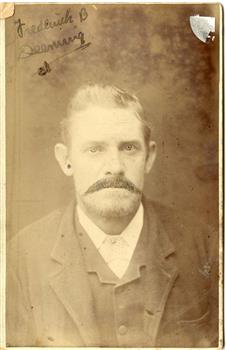
Frederick Deeming with a moustache drawn on the image in ink, Victoria Police Museum
Could he have been ‘Jack the Ripper? The remarkably evil life of Frederick Deeming is one of the most chilling stories of Australian, and global, crime. Even if he did not commit the Whitechapel murders of 1888, his known slayings make him one of the worst serial killers of the nineteenth century.
Beaten by his unstable father and imbued with fear of damnation by his God-obsessed mother, Frederick Bailey Deeming got off to a bad start in life almost as soon as he was born in Leicestershire, England in 1853. He was already known as ‘Mad Fred’ when he went to sea around the age of sixteen and soon became a cunning criminal. Fraud and false pretences were his favoured offences, though he also thieved from time to time.[i]
With an ability to turn on the charm and a persuasive way with words, the ruggedly handsome young sailor with blue eyes, fair hair and a ginger moustache had little trouble forming serious relationships with respectable women. In 1881 he married Marie James in England. By the middle of the next year he was in Sydney where he had jumped ship and started work as a plumber and gas fitter. By the time Marie arrived to join him he had already served a six-week sentence for stealing gas-burners. The couple would have four children over the next few years during which Deeming briefly ran his own plumbing business until he was declared bankrupt and serving two weeks for committing perjury. In January 1888 he turned up, alone, in Cape Town, South Africa where, using the alias Henry Lawson, he conducted several successful swindles.
Back in England in 1890, and still calling himself Henry Lawson, Deeming bigamously married Helen Matheson, using the proceeds of a fraud to pay for the wedding. Soon after, he had to quickly leave the country and escaped to Uruguay, South America. He was later arrested there, returned to England and given nine months in prison for fraud, though he avoided any charge of bigamy.
After release in 1891, Deeming took another alias, Albert Williams, and rented a house in Rainhill, Lancashire. By this time, his deserted wife and children had tracked him down and Marie revealed her husband’s bigamy to Helen. Apparently too embarrassed at the social stigma this would bring upon her, Helen did not inform the authorities. Deeming, now fearing what else Marie night reveal about him, made an elaborate pretence of reconciliation and convinced her and the children to join him at Rainhill. It was a fatal error.
Shortly after the reconciliation ‘Williams’, now posing as an army officer, married for a third time. The unlucky woman was Emily Mather who, after the expensive wedding, sailed with her new husband to India where he said he had a posting. But Deeming changed the arrangements and the newlyweds went to Melbourne instead. Here they rented a house in Windsor. Always ostentatious, even if mostly with other peoples’ money, the outwardly charming ‘Druin’, as Deeming was now styling himself, soon became well known in the suburb. But in January 1892, he and his third wife disappeared.
Now, a chain of events began that would lead to Deeming’s eventual downfall. The next tenant in the Windsor house complained of a foul smell in the premises. A hearthstone in the bedroom was pulled up to reveal Emily’s badly decomposed remains. She had been beaten around the head and her throat slashed. In the house police also found a copy of the invitation to the wedding banquet of A O Williams and Helen.
In a little over a week, the police tracked Deeming down to the Western Australian mining town of Southern Cross where he was calling himself Baron Swanston and posing as an engineer. After murdering Emily he had committed some further frauds and sailed to Sydney. There the apparently personable murderer soon convinced another young woman to become his fiancée. He then left for Western Australia, arranging with her to follow him when he was settled.
Deeming’s arrest ignited what would become a national and international press sensation. An English journalist used details from Australian sources to backtrack Deeming to his previous rented premises in Lancashire. The authorities there were prompted to investigate. Under the kitchen floor they found the bodies of Marie and the four children, all with their throats cut. The enormity of Deeming’s crimes was now apparent.
The press certainly thought so and went into one of the regular ‘feeding frenzies’ that have become all too familiar since. A kind of mass public hysteria arose, known as ‘Deemania’. The accused was called ‘a human tiger’ and his actions dubbed ‘the crime of the century’. He would also be described, inaccurately, as ‘ape-like’ and a forensic expert would later claim that his skull was similar to that of a gorilla.[ii]
Although entitled to the presumption of innocence, Deeming was effectively tried and found guilty in the newspapers of the English-speaking world. He was tried for the murder of Emily under the name of ‘Williams’. His defence, which included Alfred Deakin, destined to be an early Australian Prime Minister, argued that the accused had been denied a fair trial, which was probably true. Deeming was almost certainly an epileptic, having suffered from fits for much of his life. He may also have been a schizophrenic fantasist who actually became the identities he invented as he committed his crimes. But after an unwise address to the jury from the dock and some unconvincing psychiatric testimony, he was quickly found guilty and sentenced to death.
After being refused leave to appeal by the Privy Council, Edward Bailey Deeming, alias Albert Williams and at least four other pseudonyms, was hanged on 23 May 1892. Always a poser, he walked to the gallows smoking a cigar. His last words were reportedly ‘Lord, receive my spirit’. Outside the prison wall, twelve thousand people assembled to await the news that the monster was dead.
His death was celebrated in an English children’s street rhyme based on the then popular belief that Deeming was Jack the Ripper:
On the twenty-first of May, Frederick Deeming passed away; On the scaffold he did say — “Ta-ra-da-boom-di-ay!” “Ta-ra-da-boom-di-ay!” This is a happy day, An East End holiday, The Ripper’s gone away.[iii]
Deeming was undoubtedly guilty of the horrendous murders of his children and two wives, with the likely intent to kill another. But could he have been ‘Jack the Ripper?
In the overheated press speculations on the case, the fact that Deeming’s movements in 1888 were murky, together with the grisly nature of his crimes, led to speculation that he might have been the Whitechapel killer. Some credibility was attached to the claim when Deeming told fellow prisoners that he was the ripper and also expressed a murderous dislike of women. This was based on his venereal infection, probably of syphilis, contracted from a prostitute during his extensive travels. When directly questioned about this on the eve of his execution, deeming refused to confirm or deny the possibility.
But the theory has so many flaws that it is taken seriously by very few.[iv] A major problem is that Deeming’s murders bore little resemblance to the butchery of most of the Whitechapel victims. Nor were the women he killed prostitutes. Unlike the Whitechapel murderer, Deeming was not known to have taken trophies of his victims. Finally, wherever Deeming was during those bloody months of 1888 – probably South Africa – there is no evidence that he was anywhere near London, let alone the east end.
But there is no doubt that he slew Emily, the crime for which he eventually hanged, and that he also killed Marie and his children. He never confessed to any of these murders but while in prison during the lead up to his trial and as he awaited execution, Deeming wrote his autobiography, later destroyed, and poetry, which included the lines:
[iv] Over fifty books have been written about Deeming, often revolving around the unlikely belief that he was Jack the Ripper. See Worldcat Identities, ‘Deeming, Frederick Bailey 1853-1892, https://worldcat.org/identities/lccn-n2007021186/, accessed July 2022.






 GRISTLY HISTORY